Guided by science. Strengthened by leadership.
AAPG leadership consists of three governing bodies: the Executive Committee, the Advisory Council, and the House of Delegates. Members of all three bodies are elected, non-staff officials.
The Executive Committee guides AAPG’s overall mission, vision, and direction. The Advisory Council reports to the Executive Committee and conducts strategic planning and advises on questions around the constitution and bylaws, awards and honors nominees, and AAPG’s structure.
The House of Delegates is responsible for AAPG’s legislative functions and is made up of delegates from affiliated societies and international regions. Additionally, AAPG’s staff is made up of 40+ full-time employees across three offices. Staff are led by AAPG’s executive director and supported by hundreds of volunteers.
AAPG Leadership
AAPG’s Executive Committee is comprised of leaders elected by voting Members of the Association. It exercises executive control and management of AAPG’s affairs and funds. The Executive Committee serves as the Association’s board of directors and consists of the following members (followed by term): President (one year), President-Elect (one year), Vice President, Sections (two years), Vice President, Regions (two years), Secretary (two years), Treasurer (two years), Editor (three years), Chair, House of Delegates (one year).
The executive director is the chief operational leader of the AAPG. Thomas Wilker began serving as executive director in May 2025.
Prior to joining AAPG, Wilker had an impressive career in the private sector, including former leadership roles at Devon Energy, Burlington Resources, The Carlyle Group, and EP Energy. Most recently, he was the chief operating officer for PetroSkills, where he successfully led operations and contributed to the company’s continued growth. Before joining PetroSkills, Wilker served as senior vice president, subsurface at Wood Mackenzie. There, he oversaw several product lines and directed more than 70 subject matter expert employees comprised of geologists, engineers, GIS professionals, technical sales personnel, product managers, and data scientists.
Wilker is also the president and founder of his own energy consultancy, Curator Upstream, based in The Woodlands, Texas and is a Texas State Licensed Geophysicist.
AAPG’s House of Delegates is made up of representatives from affiliated societies and international regions throughout the world. They are selected by popular vote from within their respective regions and serve a three-year term.
HoD leaders disseminate information from AAPG to their respective society or region and assist in recruiting prospective AAPG members. The HoD is led by three officers.
The Advisory Council serves in an advisory capacity to the Executive Committee. They report on matters involving ethics and discipline, long-range planning, constitutional review, nominations for officers and honors and awards and other special projects as requested by the Executive Committee.
Members of this committee serve three years and include the immediate past-president and two former presidents, the immediate past chairman of the House of Delegates, elected members from the AAPG’s U.S. Sections and International Regions, officers of each Division.
AAPG Sections and Regions
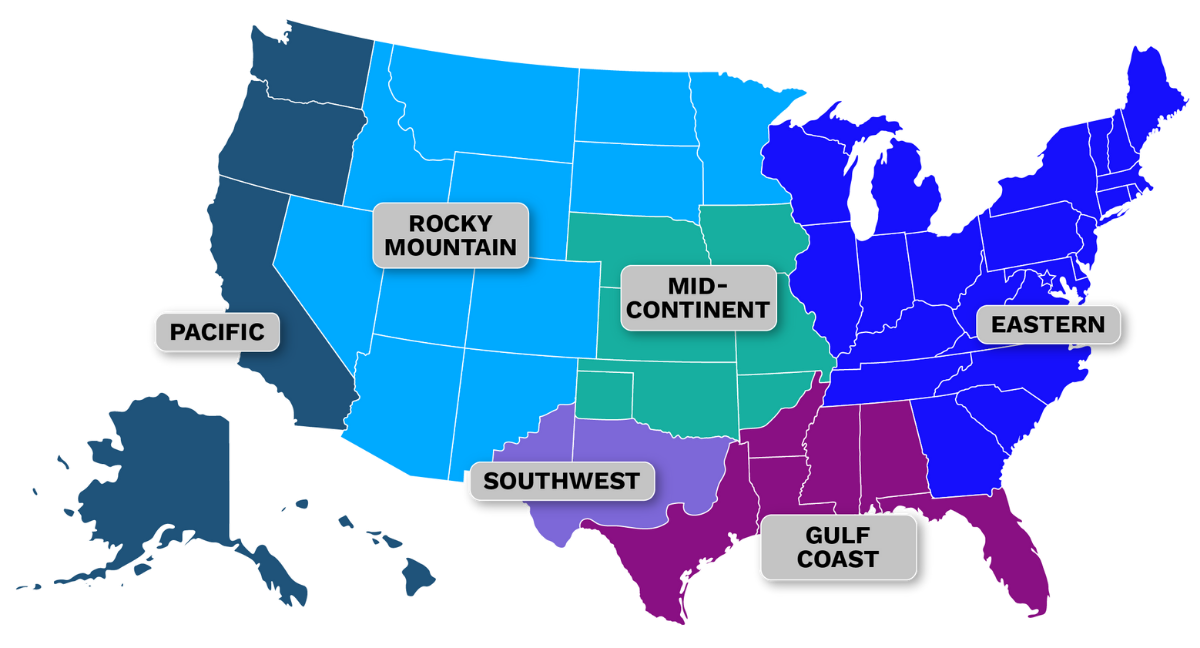
United States Sections
AAPG sections are domestic groups of individuals and affiliated geological societies. They hold events and technical meetings locally—a great way to network with other AAPG members nearby.
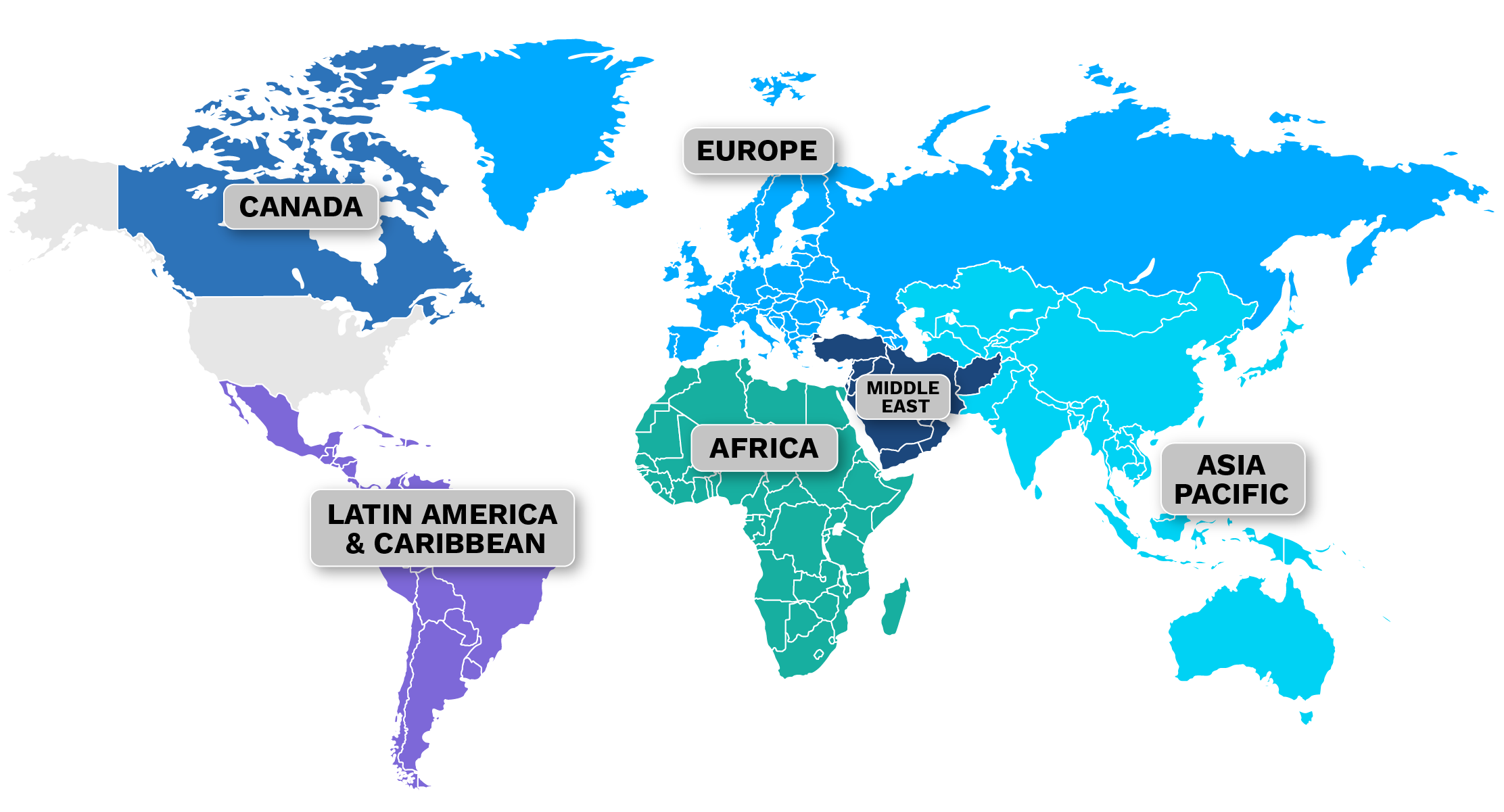
International Regions
AAPG regions are international groups of individuals and affiliated geological societies. Each region organizes networking and thought leadership events for current and prospective members.
AAPG Committees
AAPG committees are smaller governing bodies that advise and guide various programs, research, and organization initiatives. They are comprised of subject matter experts.
- Astrogeology
- Corporate Advisory Board
- Distinguished Lecture
- Research
- Student Chapters
- Imperial Barrel Award
AAPG Divisions
AAPG divisions are member-only groups within AAPG that advocate for and disseminate information related to professional standards or technical geoscience subjects.Division of Professional Affairs
Energy Minerals Division
Division of Environmental Geosciences
Petroleum Structures and Geomechanics Division