
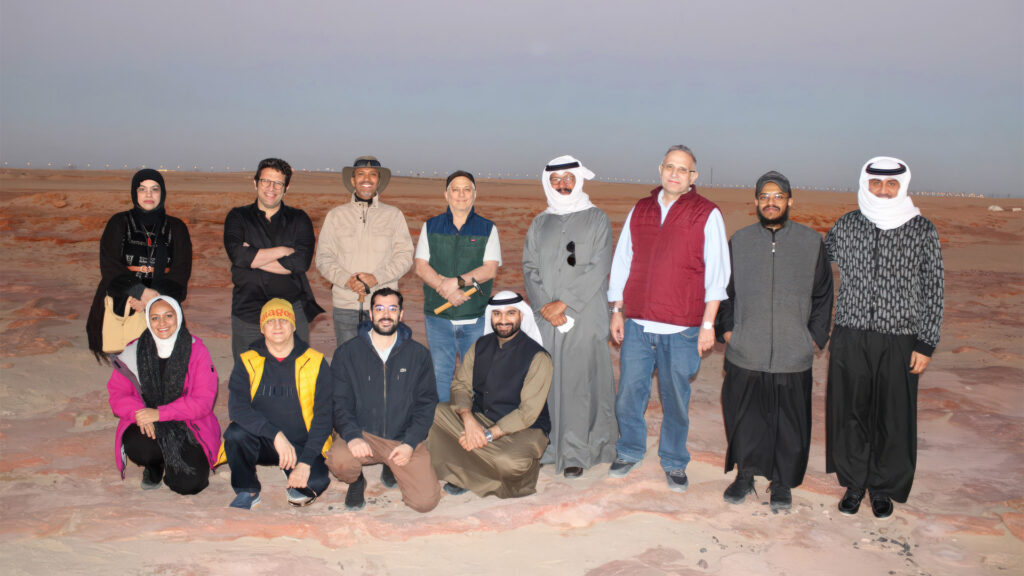
UNESCO Global Geoparks are, by definition, single, unified geographical areas where sites and landscapes of international geological significance are managed with a holistic concept of protection, education and sustainable development.
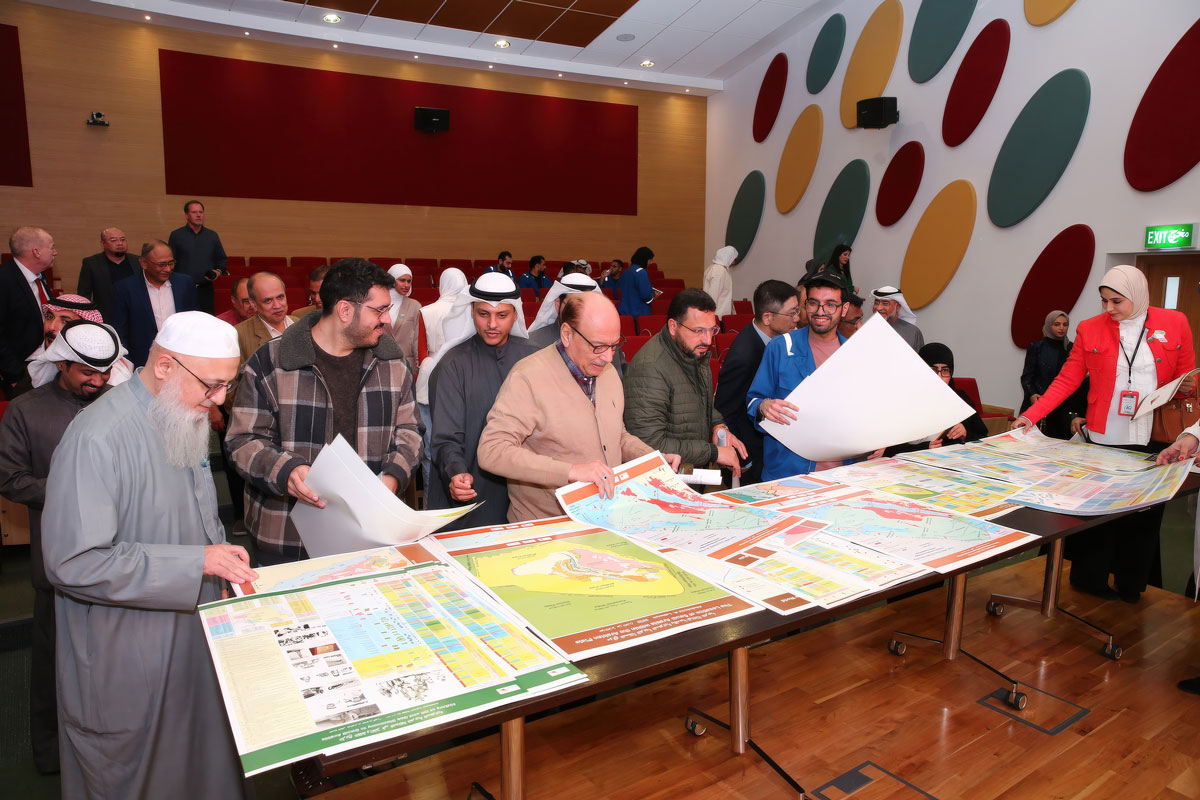
To Mubarak Al-Hajeri, president of the Kuwait Geosciences Society, that’s a perfectly accurate definition for the new Kuwait Geopark Initiative, the latest UNESCO park under consideration, but he wants to underscore these parks are not just sterile repositories for science.
“They are living territory where geology, nature, history and culture come together. They tell the story of our planet and our people,” he said.
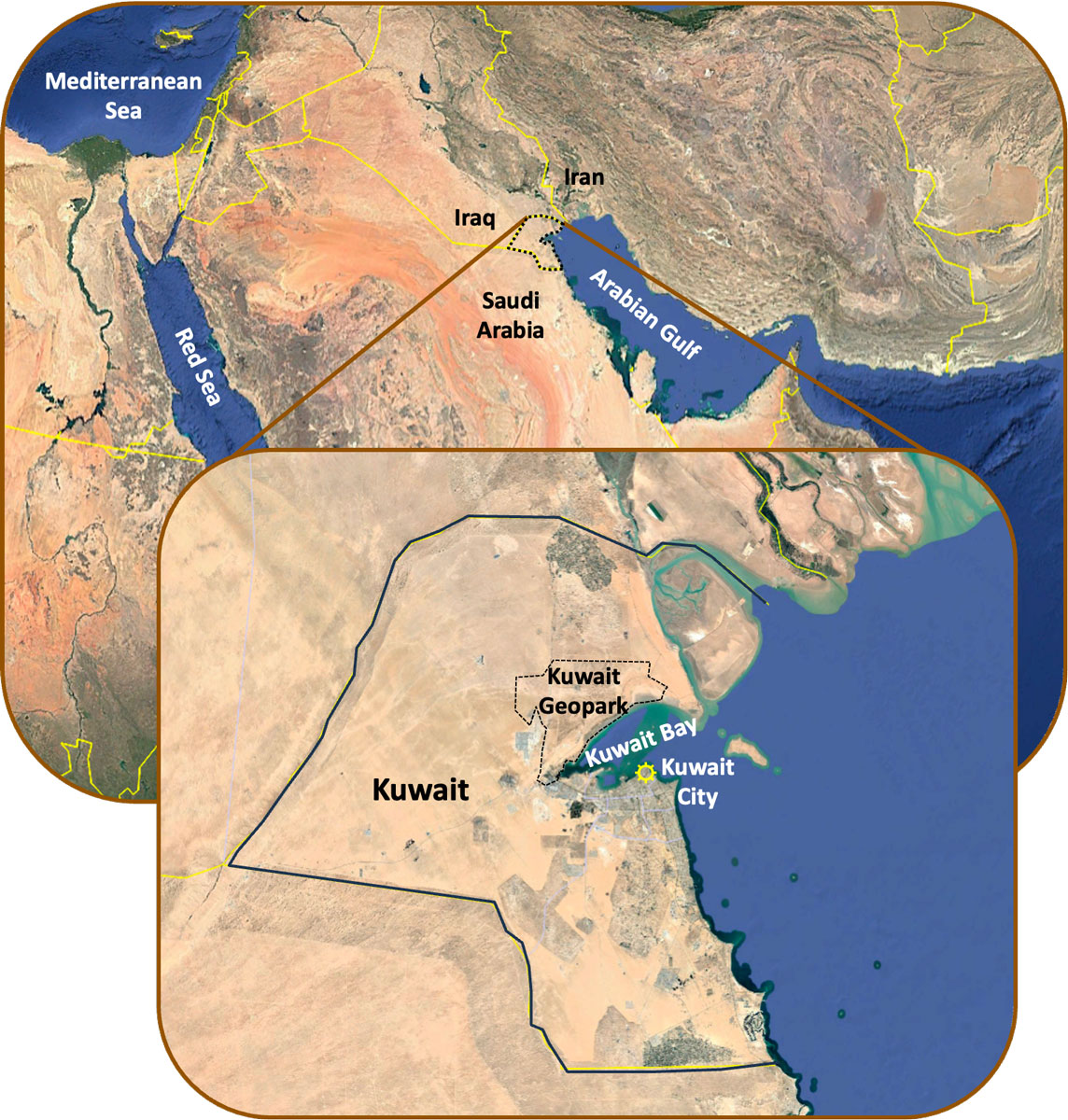
Launching such a park in Kuwait, which is located on the Arabian Peninsula south of Iraq and east of Saudi Arabia, is not only, then, about celebrating beauty and science, it’s about expanding understanding and, yes – revenue.
“Such projects help diversify national economies beyond oil by creating new streams of income through geo-tourism,” said Al-Hajeri. “They empower local communities with fresh opportunities in guiding, hospitality and cultural industries, while at the same time promoting environmental awareness and pride in national heritage.”
As such, KGI will be a boon to not just science and nature in the abstract, but to the country itself in concrete, tangible ways.
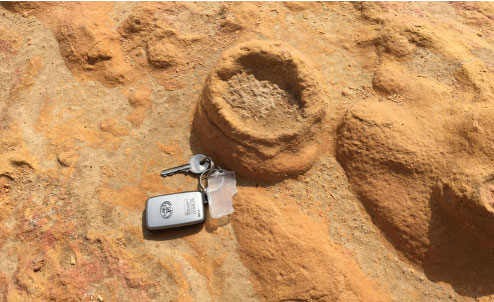
“Kuwait has all the ingredients to become a regional leader in this vision, due to its striking landscapes – from the Martian-like outcrops of Subiya desert to the dramatic Jal Az-Zor escarpment,” he said.
The area holds geological wonders side by side with evidence of human settlement dating back more than 10,000 years. Among other benefits, the geopark will showcase the deep connection between Earth’s history and human civilization.
History of the Initiative
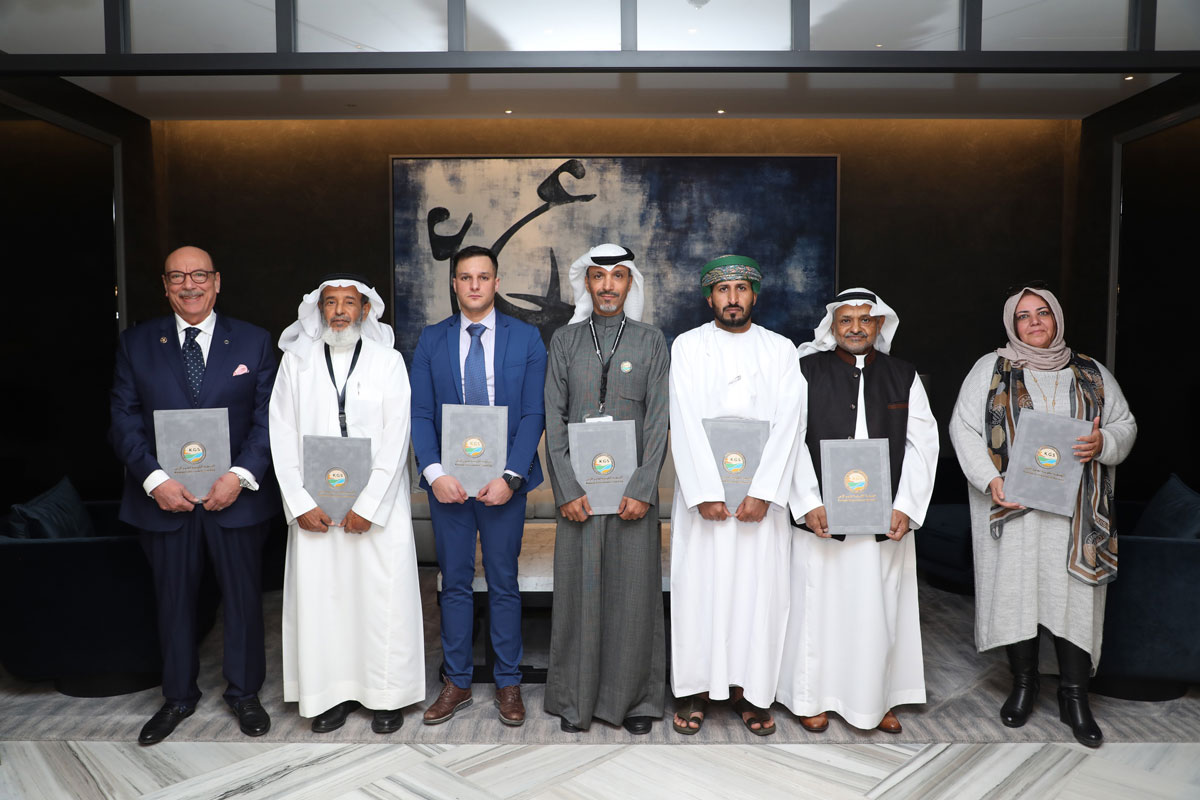
There is a symbiotic relationship between the Kuwait Geosciences Society the Kuwait Geopark Initiative.
“The formation of the KGS was directly connected to and driven by the early campaign for the Kuwait Geopark Initiative,” said Al-Hajeri (see related article).
He said it all began with a voluntary research group of passionate geoscientists who dedicated their efforts to studying rare geological phenomena in northern Kuwait – particularly the remarkable sand injectites, later recognized as globally significant.
“This group campaigned to protect these features as scientific and geoheritage assets for Kuwait and the wider scientific community. Their persistence and vision laid the foundation for something larger: the voluntary group itself became the driving nucleus that officially formed KGS,” he explained.
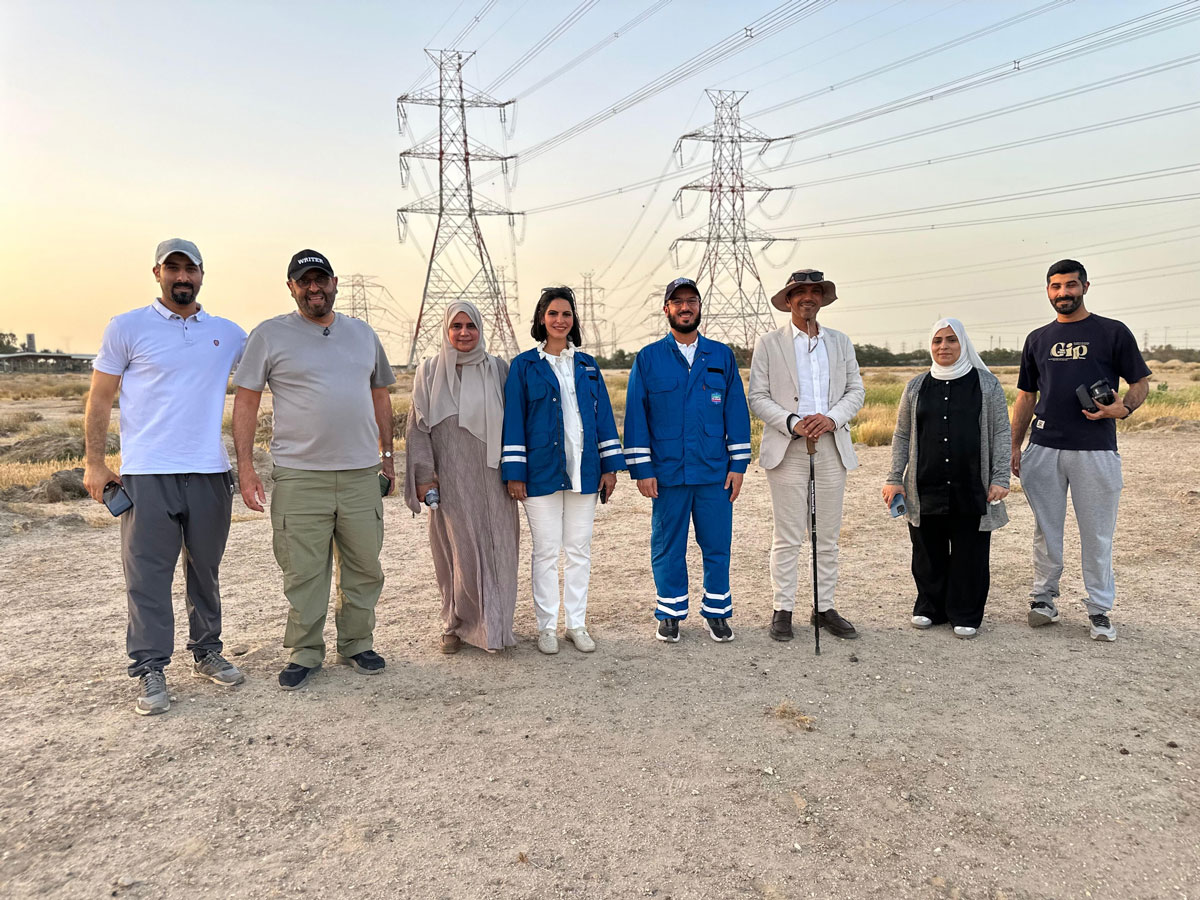
It was then on to the actual planning of the Kuwait Geopark Initiative.
The park will begin with smaller zones rich in distinctive geological and archaeological features for a soft opening within the coming months, followed by short- and long-term phases, gradually reclaiming and developing wider areas to establish a large-scale Kuwait Geopark.
Al-Hajari, who is also a distinguished geoscientist with the Kuwait Oil Company, said, “The ultimate goal is to prepare and submit the UNESCO Global Geopark dossier in the coming few years, aiming for Kuwait to be formally recognized and registered within the UNESCO Global Geopark Network.”
He hopes the park will be a future hotspot for eco-tourism, attracting visitors from all around the world.
The location, he believes, is perfect. When completed, the park will be located just north of Kuwait Bay and less than an hour’s drive from Kuwait City, which offers a rare combination of accessibility and extraordinary natural and cultural wealth.
The Kuwait Geopark Initiative will be a welcomed addition to such parks in the area. In 2025, Saudi Arabia celebrated the recognition of its first two UNESCO Global Geoparks: the North Riyadh Geopark, with its dramatic Tuwaiq escarpment, Jurassic-Cretaceous fossil reefs and limestone caves, and the Salma Geopark in Hail, featuring volcanic craters, lava fields and rocks more than 700 million years old.
Al-Hajeri said the successes – in fact, the mere existence – of both established parks highlights the region’s geological significance and sets a strong precedent for similar initiatives.
From Eden to Mars
Geologically and historically, Kuwait’s position through time has been unique. The area once lay at the crossroads of great river systems: the Hijaz River flowing from the Arabian Peninsula, the Tigris and Euphrates from Mesopotamia and the Karun River from southwest Iran.
“This convergence has led some Christian scholars to suggest that Kuwait may be the biblical Eden itself,” said Al-Hajeri.
“The area also preserves evidence of Neolithic communities, including the world’s first known boat model, alongside archaeological sites dating back more than 10,000 years, making it a living archive of human history,” he added.
The richness of the region extends beyond rocks and ruins, though. The country is home to diverse wildlife and ecosystems, where visitors might encounter cave owls, Arabian foxes, migratory birds, reptiles and a wide range of desert flora.
There is also the historical sweeps of the area. The park will be located where Kuwait’s first exploration well, Bahra-1, was drilled in 1936.
“This site symbolizes the spark that ignited Kuwait’s transformation into a modern state, reshaping its economy, culture, and place in the world,” said Al-Hajeri.
Al-Hajeri believes the park and the country have a similar goal. He said Kuwait is ideally positioned to pioneer a UNESCO-aligned effort like this.
“Such a project will not only support Kuwait’s Vision 2035 for sustainability and economic diversification, but also place the nation on the world map as a hub where science, culture and nature thrive together,” he said.
It will do this by offering visitors unique experiences that range from exploring ancient fossils and desert escarpments to discovering archaeological sites and local traditions.
“The Kuwait Geopark thus brings together geology, archaeology, biodiversity and modern history – offering visitors not only a journey through landscapes that resemble Mars, but also a walk through the origins of civilization, the stories of early people, and the dawn of the petroleum era that defined the nation’s destiny.”