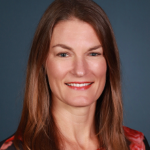
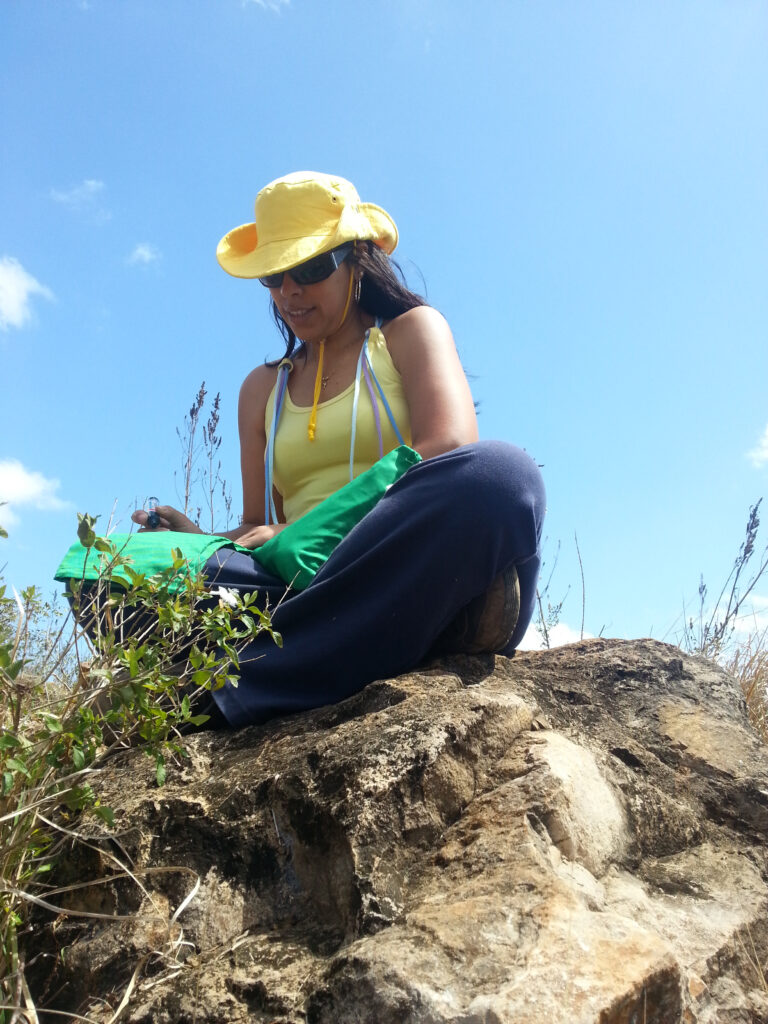
Linda Montilla awoke early on the morning of January 3.
She received an audio message from her brother in Caracas, who reported the presence of United States helicopters and bombing in the city.
The AAPG member and Venezuelan native who has lived in Bogotá since 2015, spent the rest of the morning watching videos and hearing reports of then acting President Nicolas Maduro’s capture and extradition to New York. She joined thousands of compatriots around the world who responded with both excitement and concern for loved ones in country.
Montilla faced a flood of mixed emotions that she finds difficult to describe.
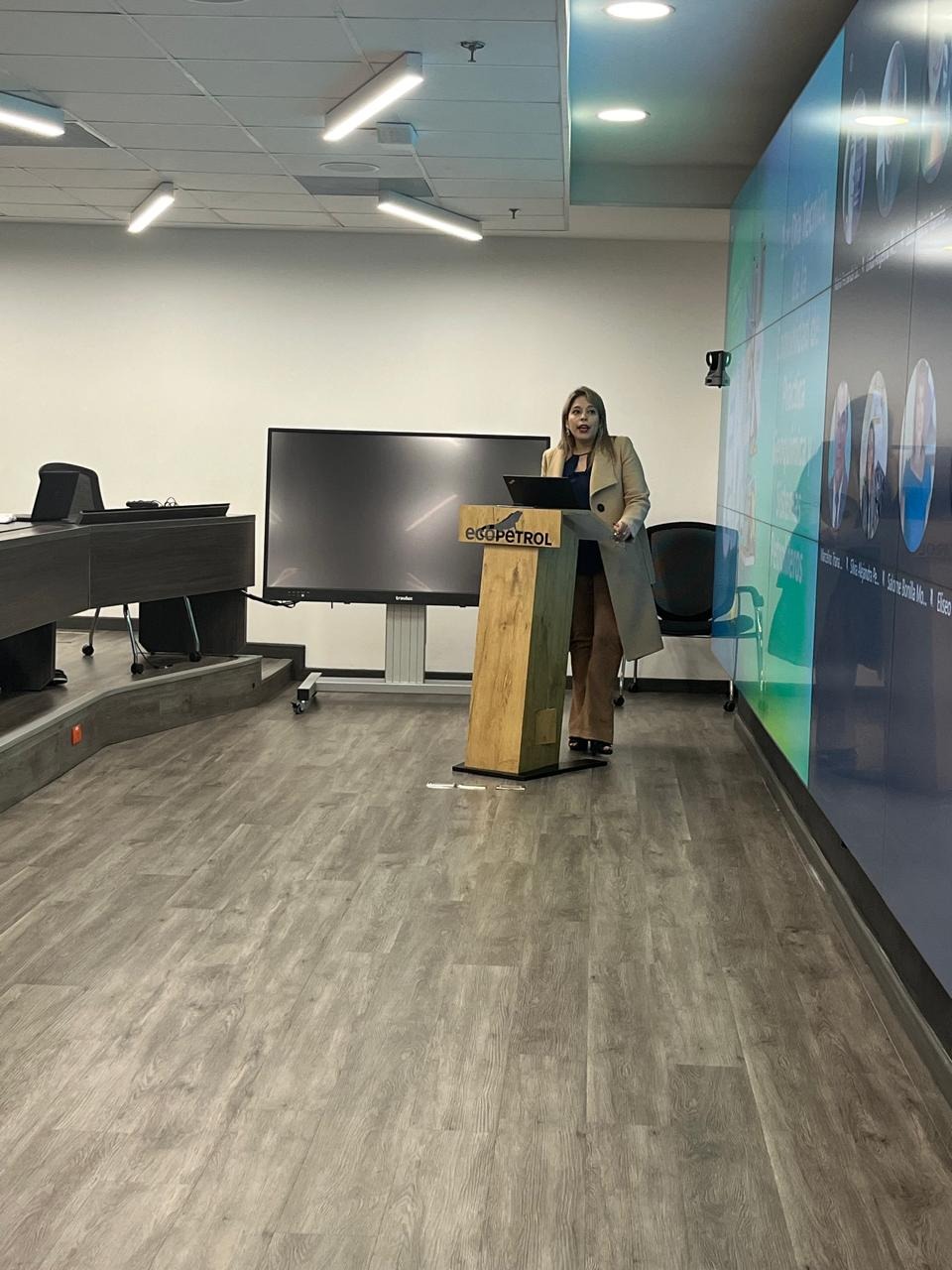
“The news led me to meditate and analyze from my perspective of faith. I was able to identify and recognize that being captured meant experiencing firsthand what imperfect human justice means. It was my wish to see Maduro captured, but that wish fulfilled did not heal the wounds and deep pain of more than 20 million Venezuelans marked by death, torture, impoverishment, separated families, and forced migrations,” she said.
Like thousands of Venezuelans scattered across the globe, she watches developments with cautious optimism.
“Living outside of Venezuela makes it difficult to perceive changes that are not a reflection or product of the perception of those who speak from inside,” she said. “I think the common word is ‘hope,’ but in day-to-day life there may not be an evident change.”
Montilla acknowledges that change is not complete. Maduro is gone, but other members of the regime have held their positions, and they negotiate with the U.S. government. Political prisoners remain behind bars, the economy is stagnant and vital medications remain out of reach for most Venezuelans.
She clings to her faith that the developments of January 3 were only the beginning of a fundamental, long-lasting change.
“This has also led me to a revival of hope, remembering that there is always a bigger plan with a purpose that we don’t understand at first; this is just a first step. It is the beginning of a future where we can rest in perfect justice,” she said.
Montilla forms part of the Venezuelan diaspora, a mass emigration of nearly 8 million people – roughly a quarter of the country’s population – who left between 2014 and 2025, driven by severe economic collapse, political repression and social instability.
Many of those who left are geoscientists who formed part of Venezuela’s energy sector and now contribute to companies and organizations abroad.
Transferring Knowledge – Linda’s Story
A Caracas native, Montilla got her bachelor’s and master’s degrees in geochemistry at the Universidad Central de Venezuela and a master’s in petroleum systems analysis from Jacobs University in Germany.
She spent her first five years working at national oil company PDVSA supervising graduate theses and working exploration basins in Venezuela, Argentina, Bolivia, Cuba Ecuador and the U.S. Gulf of Mexico (America).
She married and had twin daughters. As conditions in the country and at the company deteriorated, she sought new opportunities for her family.
“I decided to leave Venezuela in 2015,” she said. “The reasons were to seek economic stability and physical security combined with professional challenges in the oil industry, which in Venezuela were becoming increasingly difficult to achieve, especially if you decided to leave PDVSA.”
Montilla accepted a position with Ecopetrol, Colombia’s national oil company, where she took on a different kind of challenge – understanding the efficiency of biogenic petroleum systems in the Colombian offshore.
Working at Ecopetrol has bolstered her career.
“In Colombia, the process of learning about geological basins has been motivating and interesting, as well as experiencing great professional growth applying different tools in petroleum system modeling,” she said.
“After 10 years, I have been able to climb the ranks to where I am today as a technical authority in geochemistry and petroleum systems, I am able to influence the training of new professionals, strengthen the knowledge of mid-career professionals, and be part of a team that ensures quality control and technical assurance of the business group’s projects,” she added.
Montilla said her formation in Venezuela and at PDVSA prepared her to make valuable and unique contributions to her current employer.
“In addition to adding a technical specialty – a degree that does not exist in Colombia – I’ve had the opportunity to expand and transfer knowledge to colleagues at Ecopetrol. On a more personal level, I have brought soft skills needed to work successfully in different work environments that are characteristic of NOCs.”
Learning by Doing – Ana Maria’s story
Transferring skills from PDVSA to other NOCs also marks the story of Ana Maria Goncalves, president-elect of AAPG’s Latin America and Caribbean Region.
Goncalves studied geological engineering at Universidad de Oriente in Ciudad Bolívar and got a master’s in earth sciences at Simon Bolivar University in Caracas.
She started her career in PDVSA working as a seismic interpreter but soon became focused on structural geology, working in the Sierra de Perijá and the Southern Andean flank.
Later, she moved to PDVSA’s international studies group, where she was assigned to projects in Bolivia’s Northern and Southern Sub-Andean regions.
That role led to new opportunities outside Venezuela.
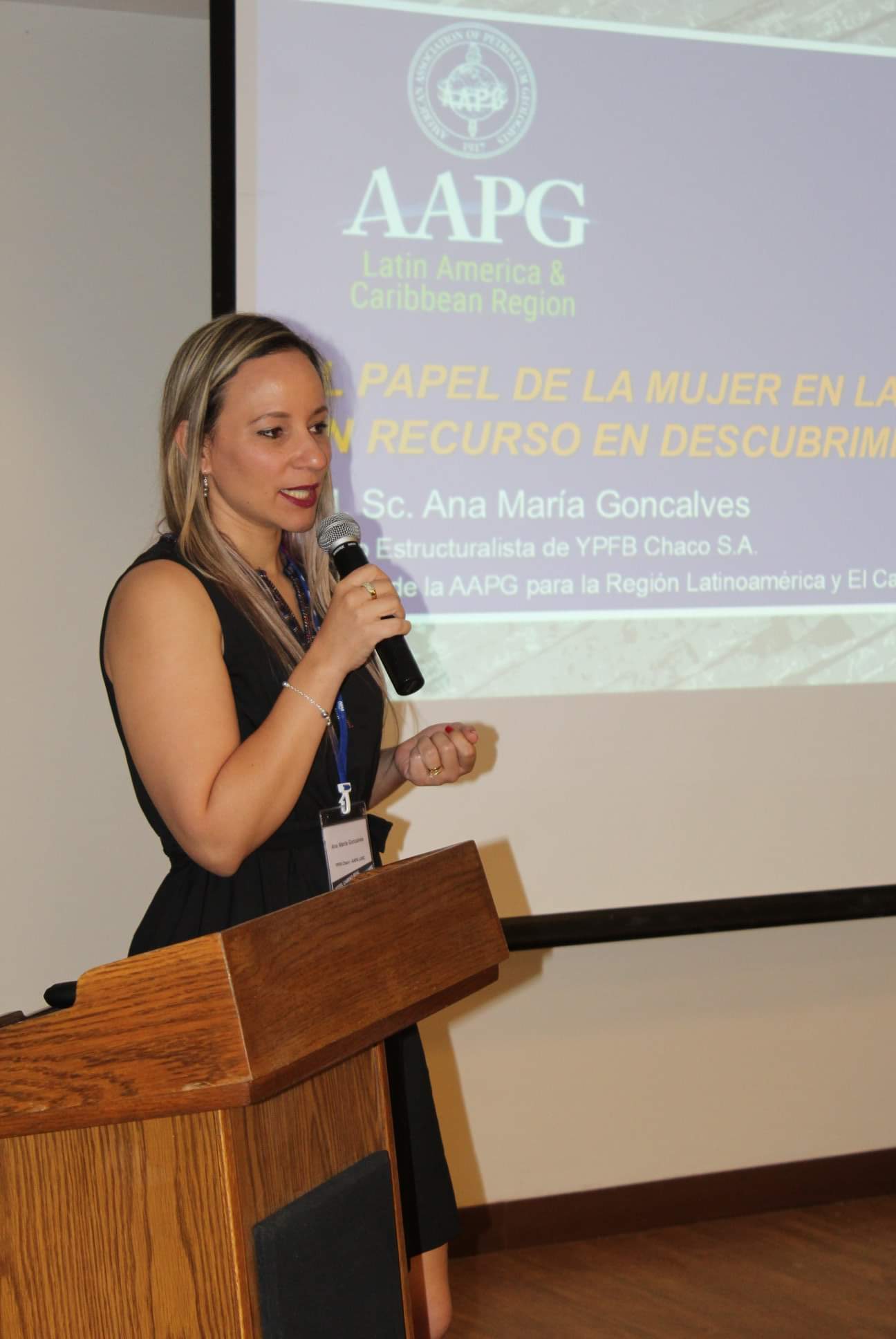
“I made the decision to leave in 2016 in search of better conditions to continue my career,” she said. “Bolivia offered me a concrete opportunity in the area in which I had been specializing.”
She accepted a position with Bolivia’s national oil company, YPFB Chaco S.A., and relocated to Santa Cruz de la Sierra, the country’s commercial capital.
A decade later, Goncalves continues at YPFB Chaco, where she works as G&G studies and project lead. She married a Bolivian and now has twin toddlers.
Like Montilla, Goncalves affirms that her training in Venezuela prepared her for her career abroad.
“In PDVSA, I had the opportunity to receive training from advisers in seismic interpretation and structural geology,” she said.
“At that time, there was a program under the motto ‘Learning by Doing,’ and during that training period I learned directly from specialists from Venezuela, France, the United States and Argentina, incorporating methodologies and techniques into day-to-day work,” she said.
Being Prepared for Anything – Betzabeth and Daniel’s Story
While Montilla and Goncalves left Venezuela to find better opportunities abroad, Betzabeth Araque and Daniel Ortiz were starting their university studies in geophysical engineering.
The Caracas natives studied at Universidad Simon Bolivar during a tumultuous period both for the country and the university.
Ortiz began his undergraduate studies in 2010 and finished in 2022. He said that the university years gave him more than a degree; they instilled in him the principles of resilience, patience, effort, and dedication.
“These values stem not only from the rigor and excellence that are non-negotiable at Simón Bolívar University, but also from the broader context of my student years,” he said.
Ortiz noted how the university rarely suspended activities, except during the oil strike of 2002, but starting in 2014, the country’s economic and political crises led to frequent interruptions lasting from weeks to full trimesters. The institution closed for a full year during the COVID-19 pandemic.
“Protests, demonstrations, faculty strikes, nationwide blackouts, and countless other events accompanied my studies, teaching me never to give up, never to falter, and to persevere in reaching my goals,” Ortiz said. “Above all, I learned that no matter how many adversities arise, we can always find the courage and strength to move forward.”
Araque admired how professors and mentors maintained their commitment to academic and professional excellence in the face of numerous challenges.
“My education provided me with an excellent foundation, beginning with my academic training at university, thanks to Venezuelan professors who, despite the circumstances, continued to shape professionals of high quality,” she said.
“My first job in the industry became a second school for me, as I worked alongside seasoned experts with long careers in the oil sector.”
Both Araque and Ortiz started their careers at Suelopetrol, where they worked with seismic interpretation, seismic attribute analysis, spectral decomposition and neural networks.
When their contracts ended, they found alternatives in other fields.
Ortiz joined Ogma Studio, working as a project manager overseeing development activities, then later joined Geodia Industries, where he builds 3-D subsurface models for mining exploration and service projects across Latin America.
Araque accepted a position as a store manager working for a clothing company. “It was a job unrelated to my field, which nonetheless taught me how to lead teams and interact directly with clients,” she said. “Venezuela equips you to face any challenge.”
In September 2024, Araque received a job offer from BGP in Bolivia, so she decided to leave Venezuela and start a new life abroad.
Daniel joined her in Bolivia three months later.
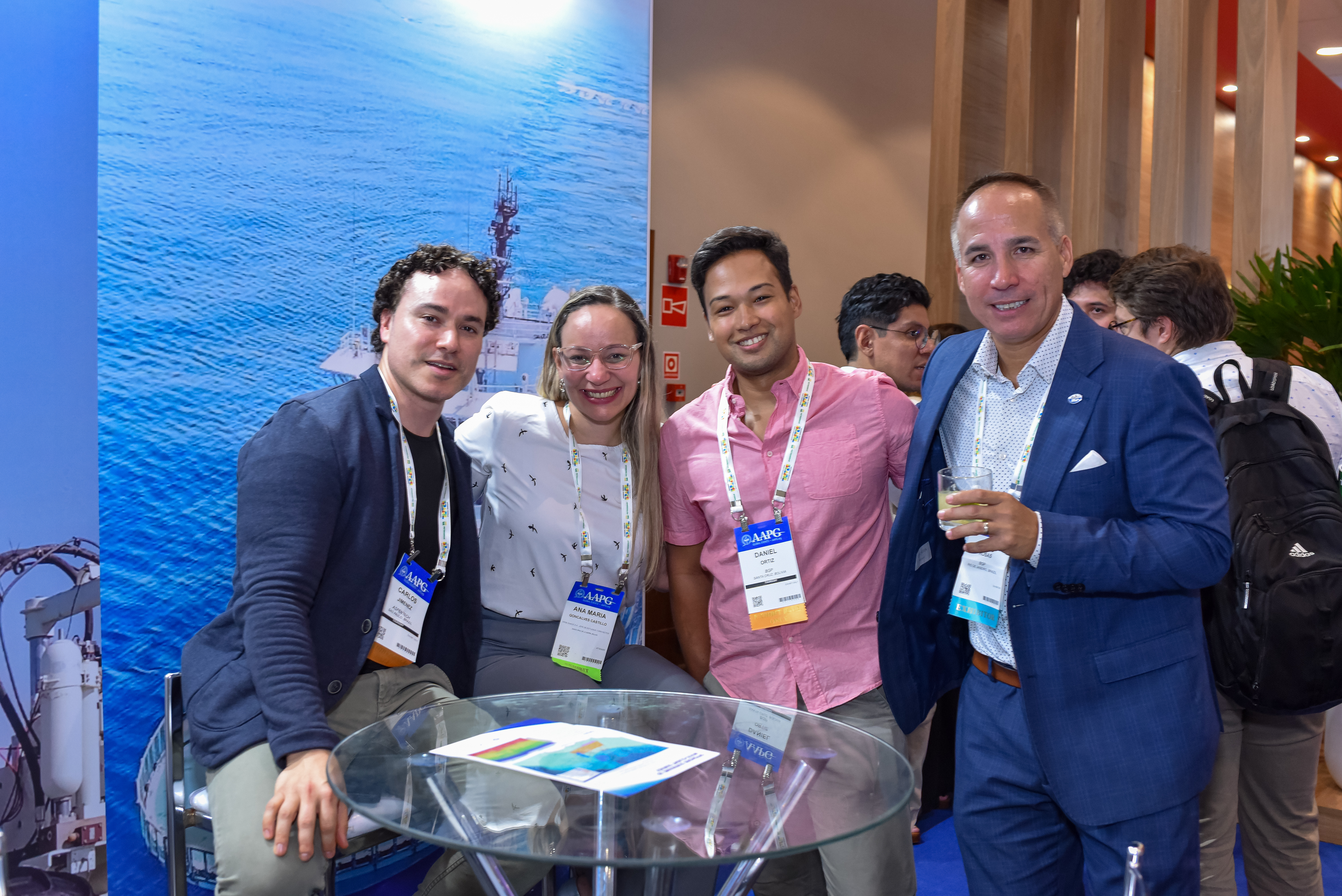
He works remotely with Geodia Industries and joined AAPG in November last year. He now works as technical program coordinator, providing contract support to events and programs in the Latin America and Caribbean Region.
Effect of the Diaspora on the Global Energy Sector
Montilla noted that stories like that of Araque and Ortiz demonstrate the quality and aptitude of professionals trained in Venezuela.
“We must recognize the efforts of universities that, despite the country’s circumstances, have found ways to continue forming professionals that have been able to enter the global job market since 2002,” she said.
“The impact generally has been very positive, and it is enough to observe the achievements of many climbing in different areas of the energy sector (both in industry and academia) and becoming examples of technical excellence and resilience,” she said. “These characteristics are not exclusive to Venezuelans, but they are notable characteristics of the geoscientific diaspora. These combined conditions – gratitude for the opportunities and nostalgia for what was left behind – have made us grow.”
Goncalves agreed, noting how excellent training provided in-country makes Venezuelans more likely to be successful abroad.
“The talent that left Venezuela ultimately strengthened technical teams in other countries. In that sense, I believe the Venezuelan geoscientist diaspora has made a positive contribution by bringing expertise across multiple geoscience disciplines, improving project evaluation, opportunity generation, and technical decision-making in exploration and development studies on a global scale,” she said.
Effect on Venezuela’s Industry
While Venezuelans flourish in other environments, the country they left behind suffers from the loss of skilled professionals.
“The exodus of geoscience professionals from Venezuela has been studied as a case of structural brain drain, recognizing that this phenomenon, together with other factors, has posed challenges to maintaining the operational capacity of the industry,” Goncalves said.
Araque agreed.
“The impact of the diaspora has been severe and disruptive, as each day there are fewer professionals able to build careers and pass on their knowledge to the next generations entering the industry. This has created a significant generational gap,” she said.
Montilla noted how the exodus that benefitted other countries inflicted the opposite effect in Venezuela.
“In addition to lacking solid investment in the industry to motivate professional growth, the decline in quality of life, salary deterioration within the national context, and the continuous brain drain create a highly challenging environment for promoting growth and technical excellence,” she said.
“I believe this is important to consider, because in a scenario of reopening or reinvestment, technical updates and knowledge transfer will be necessary,” she added.
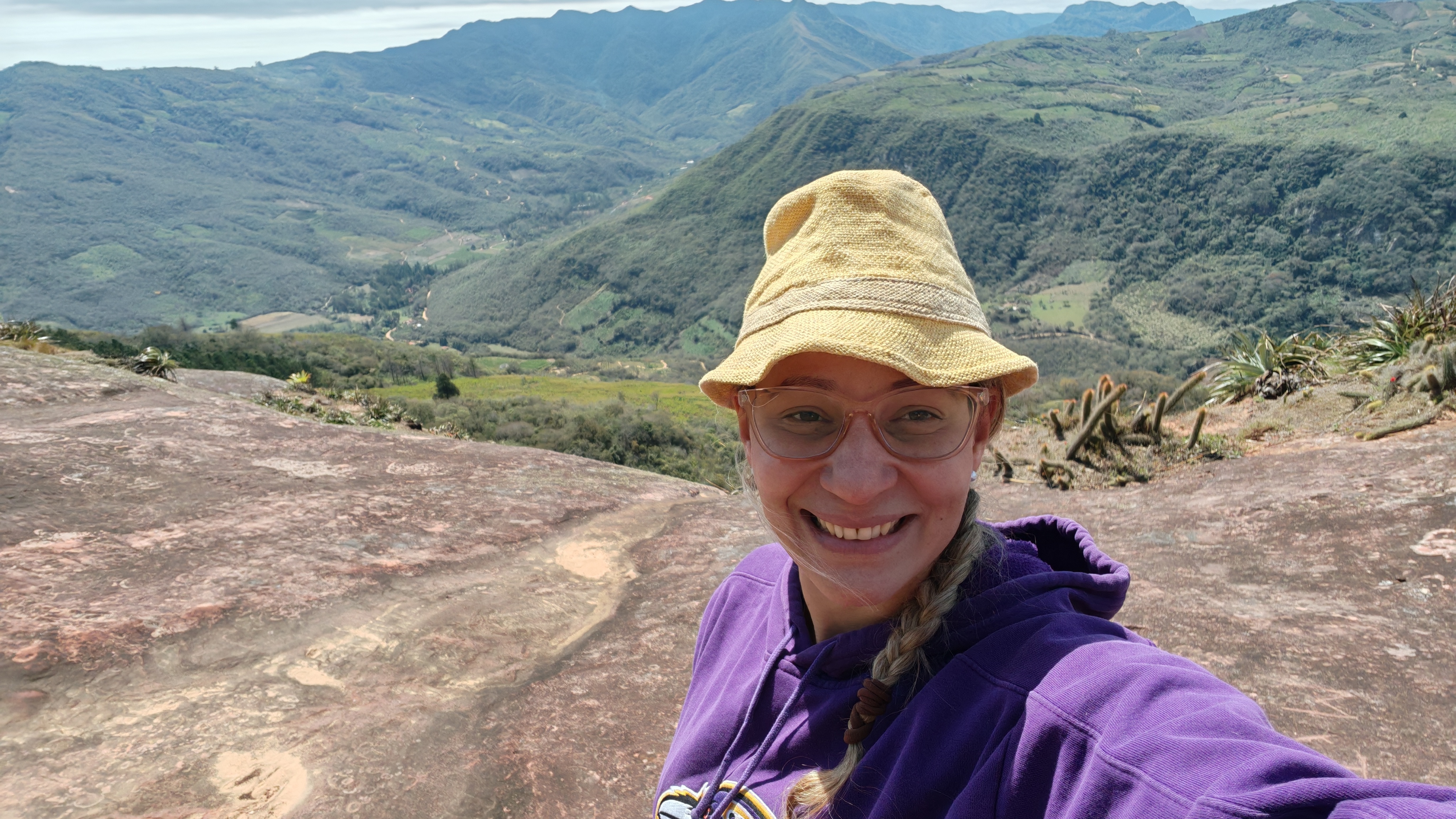
A Reverse Diaspora?
One avenue for rebuilding technical capacity and knowledge transfer would be the return of technical professionals to Venezuela.
Recent changes in Venezuela are raising questions of a “reverse diaspora” – the return of immigrants or their children to the homeland.
As international operators contemplate reentry, displaced Venezuelan geoscientists face the decision about whether to follow suit.
Goncalves said she’s open to the possibility, assuming that certain personal and professional conditions can be met.
“I’ve dreamed about it many times, and yes, I would consider returning to Venezuela in the future,” she said.
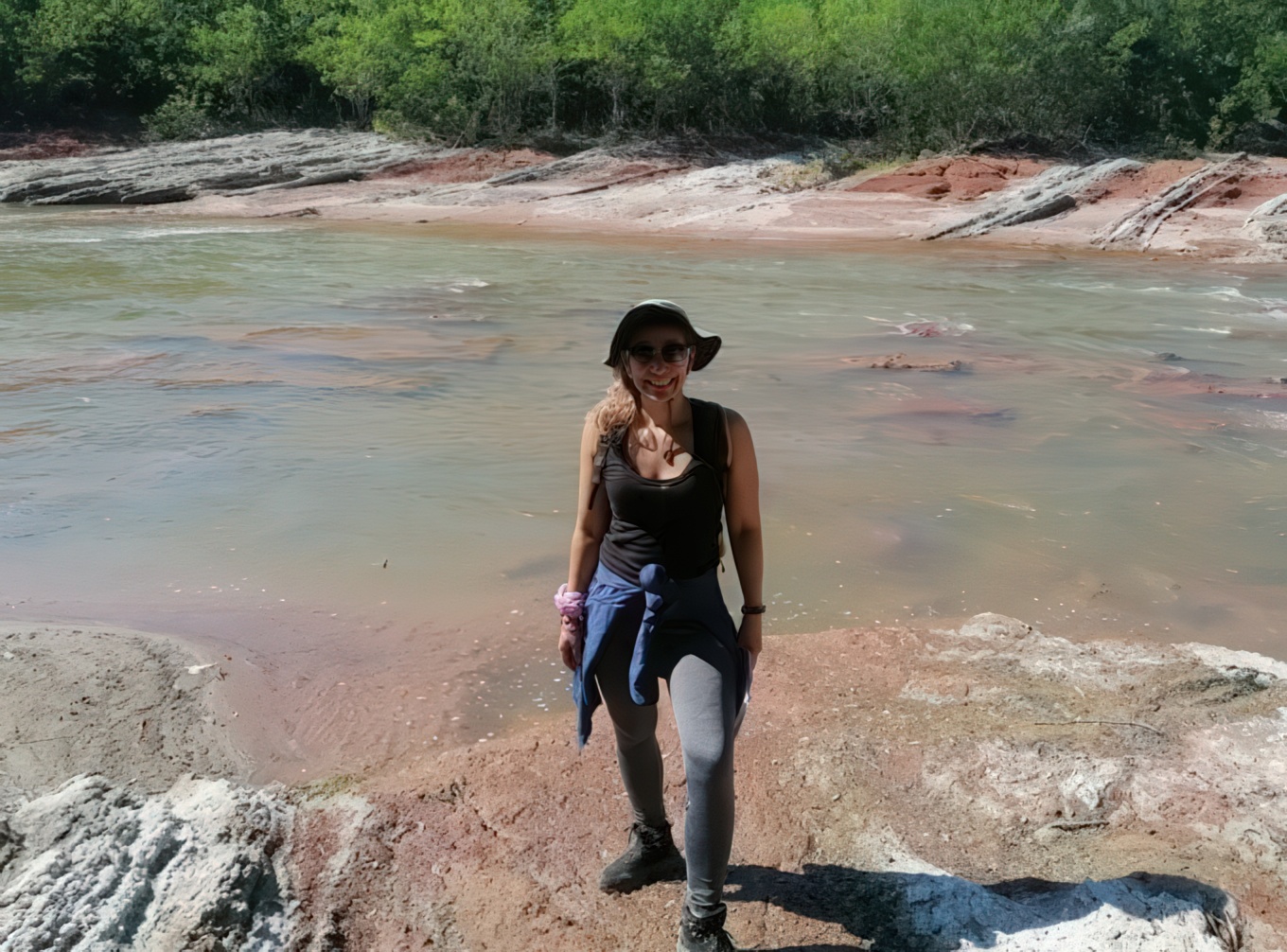
“For me, it would primarily be a family decision: I would need stable and comfortable conditions for my family, especially since my husband and children are Bolivian. Professionally, it would also depend on having an environment that allows me to practice with continuity and stability, with clear opportunities to contribute meaningfully to technical work, training, and rebuilding local capacity.”
Ortiz said thoughts of going home create strong sentiments for many Venezuelans.
“Returning to one’s homeland is such an overwhelming emotion that it clouds the mind, tightens the throat, and stirs the heart,” he said. “It is our land, our home, our memories, and our longing.”
Ortiz said, while he always wants to return, he will do so only with certain guarantees: security, economic stability, healthcare and strong political institutions with rule of law.
“We all wish to return to a Venezuela where we are united as brothers and sisters, not deeply divided simply because of differing ideals or beliefs,” he said.
Required Guarantees
Araque shared similar sentiments.
“Even if one has already built a home elsewhere, Venezuela will always remain the place you can and want to return to, if circumstances improve,” she said.
She predicted that the reactivation of the national oil industry will come through renewed investment and the return of foreign companies to the country. Before joining the companies in their efforts, she requires certain guarantees.
“I believe the necessary conditions include the overall stability of a country that has lived without it for 27 years, as well as security, a stable economy, and opportunities for all,” she said.
“Above all, state-owned enterprises must never again be politicized,” she added.
Returning to Venezuela is more challenging for people like Montilla, whose daughters grew up in Bogota and now attend university in the city.
“For now, I don’t plan to go back. I’ve built a stable family life in Bogotá that I wouldn’t want to sacrifice,” she said.
She does, however, feel a strong desire to help rebuild the country’s technical capacity.
“I am driven by the desire to help with technical update in light of this new window of hope that’s opening,” she said. “Perhaps my role can be to help without having to live permanently in Venezuela.”
Role of Geoscientists
Montilla said geoscientists have a very clear role in the country’s reconstruction.
“The role of geoscientists is essential, given that the country’s economy is based on its natural resources (oil, gold, bauxite, iron), and there is potential to diversify with the production of various rare earth minerals and the potential to expand the hydroelectric industry,” she said.
“When a diverse and balanced portfolio of reserves and production of these natural resources, the role of geoscientists is fundamental, combining the geological background of Venezuela’s basins with technical updates based on experience gained in various countries,” she added.
Goncalves recognized that activating the oil and gas sector is a clear first step for kickstarting reconstruction.
“In Venezuela, where oil remains a pillar of export revenues, geoscientists can help rebuild the economy by restoring a reliable technical foundation that makes hydrocarbon-sector projects viable,” she said.
The Role of AAPG
Goncalves said professional associations like AAPG provide a critical role in equipping geoscientists to rebuild their country.
“AAPG actively supports Venezuelan geoscientists by strengthening access, training, and employability through the promotion of student chapters and opportunities for leadership and networking,” she said.
She applauded Venezuelan participation in the annual Latin America and Caribbean Region Student-Young Professional Leadership Summit and the arrival of the Ready to Work Program, which impacted 50 students and young professionals in November 2025.
“These initiatives are complemented by AAPG’s ongoing commitment to education for the Venezuelan geoscience community through short courses, workshops, and technical events, as well as by creating pathways for greater professional visibility and improved career opportunities.”
Goncalves, who describes her involvement with AAPG as “very active and ongoing,” said she feels honored to be the first Venezuelan to hold the position of president-elect for the Latin America and Caribbean Region.
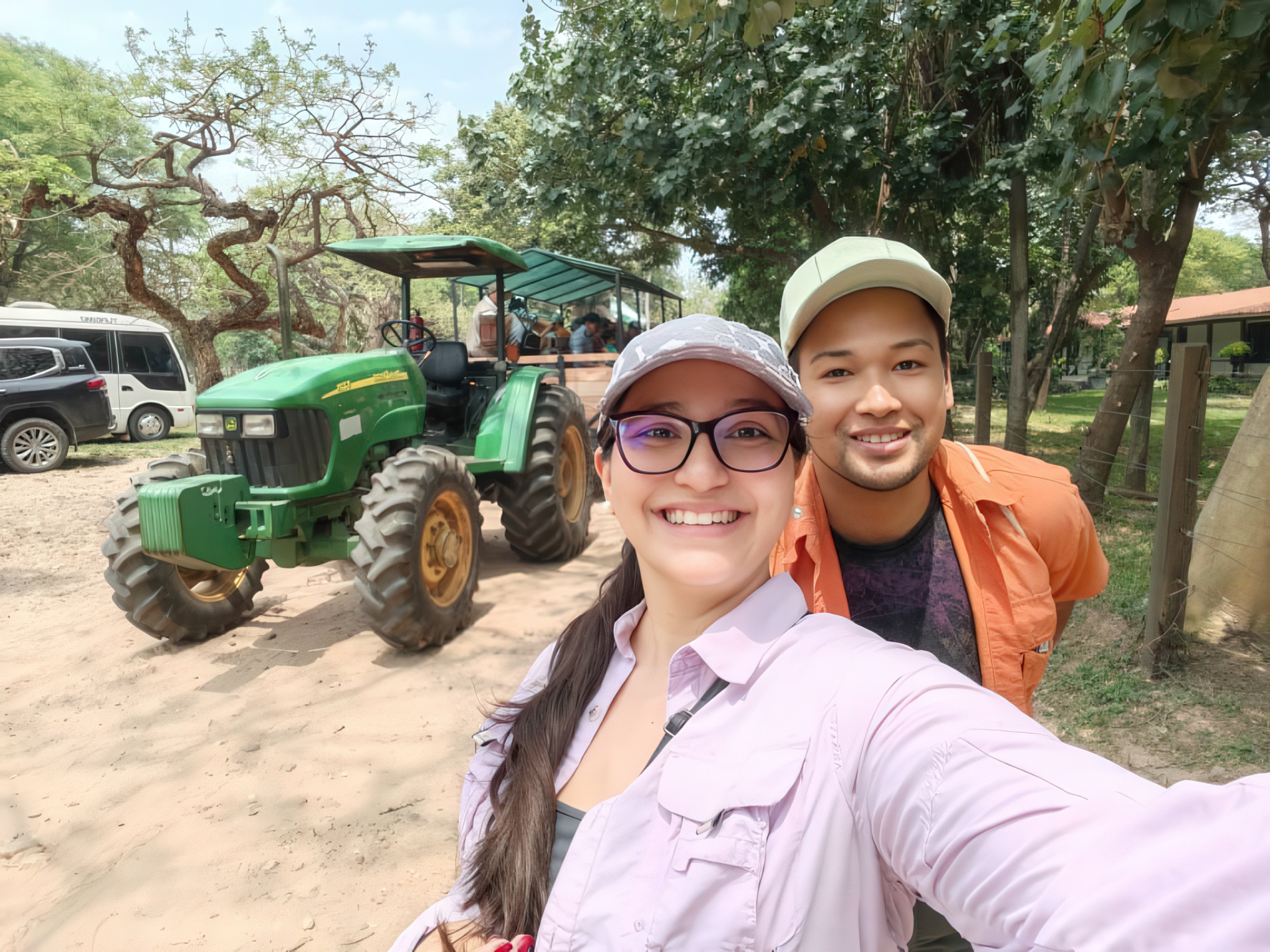
“In this role, I am deeply engaged in AAPG activities, supporting regional collaboration and contributing to technical events, talks, short courses, and workshops, while also strengthening professional networks and development opportunities for students and early-career geoscientists to promote knowledge sharing and technical growth across our community,” said Goncalves.
A Decade of Service
Araque and Ortiz testify to the benefits of their service to AAPG.
Araque co-founded the Universidad de Simon Boliviar Student Chapter in 2015 and received the L. Austin Weeks grant provided by the AAPG Foundation.
“The scholarship allowed me to pursue my studies more effectively in a country facing a severe economic crisis,” she said.
Today she forms part of the AAPG Venezuela YP Chapter, which organizes technical talks and professional development activities like the Ready to Work Program held in November.
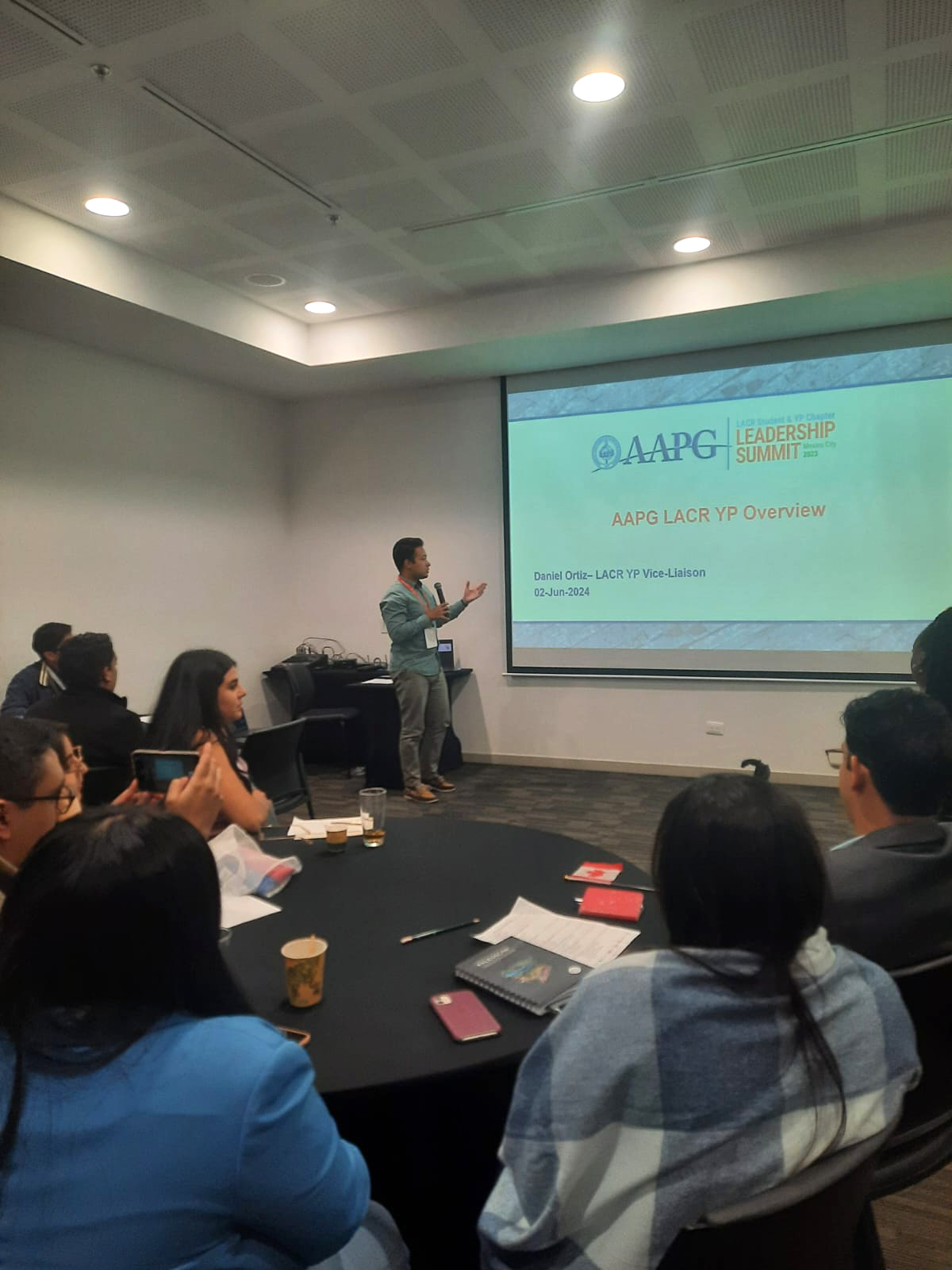
Ortiz, who spent 10 years volunteering with AAPG before joining the staff, benefited from participation in association activities, particularly the Student YP Leadership Summit. He attended the event as a participant in 2023 and served on the organizing committee for the 2024 and 2025 editions.
“An alumnus of the Leadership Summit, I can attest that it is an unparalleled experience for upcoming generations,” he said.
“The knowledge and tools gained during those days are of immense value, as are the networking opportunities and friendships formed. These experiences broaden horizons, allowing future professionals to understand what is happening beyond our borders, while also opening the door to a wonderful cultural exchange.”
Message to the International Community
Ortiz described how regional events like the leadership summit Venezuelans show themselves to the world.
“Venezuelans are good-hearted people, devoted to their families, joyful, and able to find laughter even in the darkest moments. At the same time, they are hardworking, resilient, inventive, and have learned to find solutions even in the most precarious circumstances,” he said.
“Difficult times forced many to set aside their degrees, studies, and experience to start anew in different parts of the world. Yet this was an act of immense courage, undertaken in pursuit of a better future for themselves, their families, and their dreams often against their deepest desire to remain in their homeland. Still, Venezuelans never lose their smile, their joy, or their characteristic warmth. Wherever they go, they seek to build community, friendships, and family, gathering everyone under one roof to celebrate even the smallest of goals,” Ortiz added.
Goncalves hopes global attention to Venezuela will encourage colleagues and members of the international community to learn more about her country.
“I would like other geoscientists to know that Venezuela is much more than headlines and news: it is a country with diverse geology and a long history of high- quality technical work in exploration and development, but above all, it is home to warm, resilient, highly skilled, and deeply collaborative people,” she said.