
Oil and gas discoveries in the Latin America and Caribbean region are a consistent feature of today’s energy sector news reports. From offshore gas discoveries in Suriname to record earnings for Petrobras to billion-dollar investments in Vaca Muerta, there are many reasons to be optimistic about the energy future of the region.
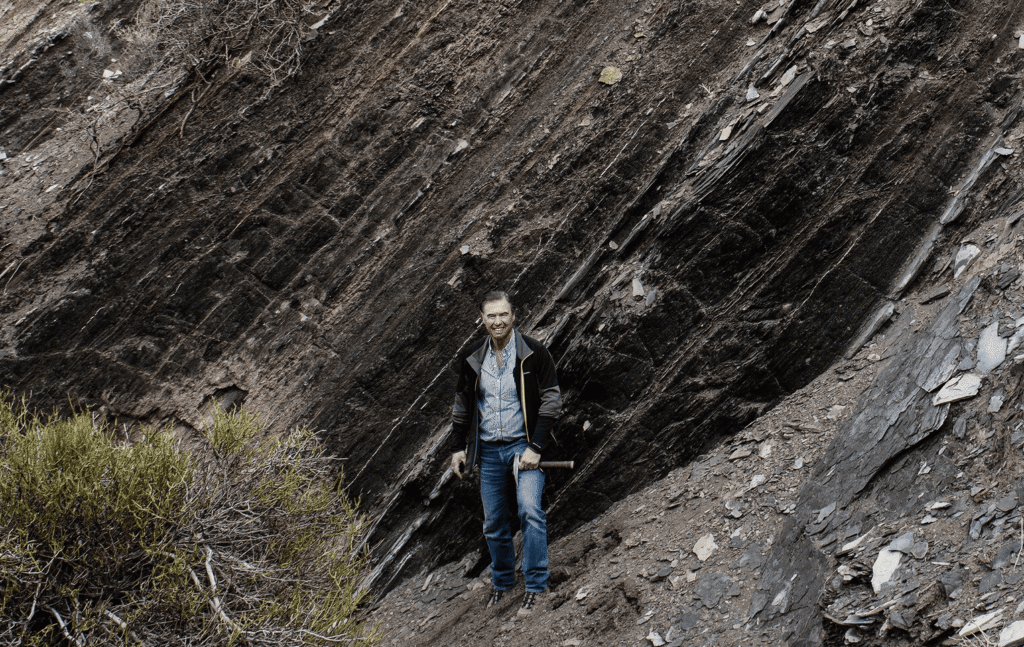
Carlos Macellari, AAPG Latin America and Caribbean Region president and 40-year industry veteran, described the region as “arguably the most promising in the world” for exploration and production.
After holding both technical and management positions in Repsol/YPF, Tecpetrol, Shell and several other operators, Macellari now serves on the board of directors of GeoPark Energy and Olympic Energy.
“Latin America and the Caribbean account for approximately 10 percent of global oil production and four percent of global natural gas production,” he said, quoting S&P Global Commodity Insights data compiled as of May 2024.
“What is even more remarkable is that since 2020, nearly 38 percent of all conventional hydrocarbon resources discovered worldwide have been found in this region. That tells us that, while Latin America is not the world’s largest producing region, it is unquestionably one of the world’s most important exploration frontiers.”
“World-class source rocks and sedimentary basins, combined with relative insulation from many recent geopolitical conflicts and, in several countries, increasingly favorable investment conditions, make the region highly attractive for E&P,” he said.
Prolific petroleum systems, underexplored basins and growing number of successful discoveries give the region an increasingly significant role in meeting global energy demand for decades to come.
Macellari shared several examples of countries with promising potential.
Promising Opportunities
- Colombia, despite being a mature producer, has seen little exploration activity in recent years. With a more supportive government, new licensing rounds are expected to reopen exploration opportunities. Onshore, the heavy oil fields in the southeastern part of the Llanos Basin continue to provide the largest share of the country’s production. Northern offshore Colombia has also delivered significant discoveries, with more than 6 trillion cubic feet of natural gas discovered over the past decade. While commercial development is still underway, these resources have the potential to transform the country’s long-term energy outlook.
- Venezuela, which holds the world’s largest proven oil reserves, is beginning to attract renewed investment aimed at restoring production and developing these exceptional resources.
- Argentina continues to demonstrate the success of the Vaca Muerta shale play, with oil production approaching 900,000 barrels per day. Although development has been led primarily by Argentine companies, international investors are increasingly recognizing the enormous potential of this world-class unconventional resource.
- Brazil remains one of the world’s premier offshore provinces. Its pre-salt fields produce approximately 4.6 million barrels of oil equivalent per day, yet high-quality prospects remain undrilled. At the same time, the Equatorial Margin—including the Foz do Amazonas, Pará-Maranhão, and Barreirinhas basins—represents an exciting frontier exploration opportunity.
- Guyana and Suriname continue to show extraordinary growth. Since the discovery of the Stabroek Block in 2015, production has reached approximately 900,000 barrels per day and is expected to increase to around 1.7 million barrels per day by 2030, making it one of the fastest-growing petroleum provinces in the world.
- Bolivia possesses substantial natural gas resources within the Subandean fold belt. Exploration activity has been limited in recent years because contract terms did not adequately compensate for the technical complexity and high cost of exploration. However, a proposed new hydrocarbons law, designed to improve investment conditions, could mark an important turning point for the sector.
Challenges for the Sector
Despite its promise, the Latin America and Caribbean Region’s energy sector presents several challenges as well, Macellari said.
The first is the maturity of many of Latin America’s onshore basins.
“After decades of exploration and production, discovering new plays has become increasingly difficult, as is the case in many mature petroleum provinces around the world,” he said.
Also, like in other parts of the world, the region’s biggest obstacles are not related to maturity or geology, but to above-ground conditions.
“In several countries, lengthy permitting processes, regulatory uncertainty, unfavorable fiscal terms, inconsistent government support, and restrictions on certain technologies – such as hydraulic fracturing – have slowed investment and exploration,” he said, adding that societal conflicts, community relations and pressure from activist groups also contribute to project delays and increased operational risk.
“The region’s geology remains exceptionally attractive,” he said. “The key to unlocking its full potential lies in creating stable, predictable regulatory frameworks that encourage long-term investment while balancing environmental protection and community engagement.”
Unconventional Resources
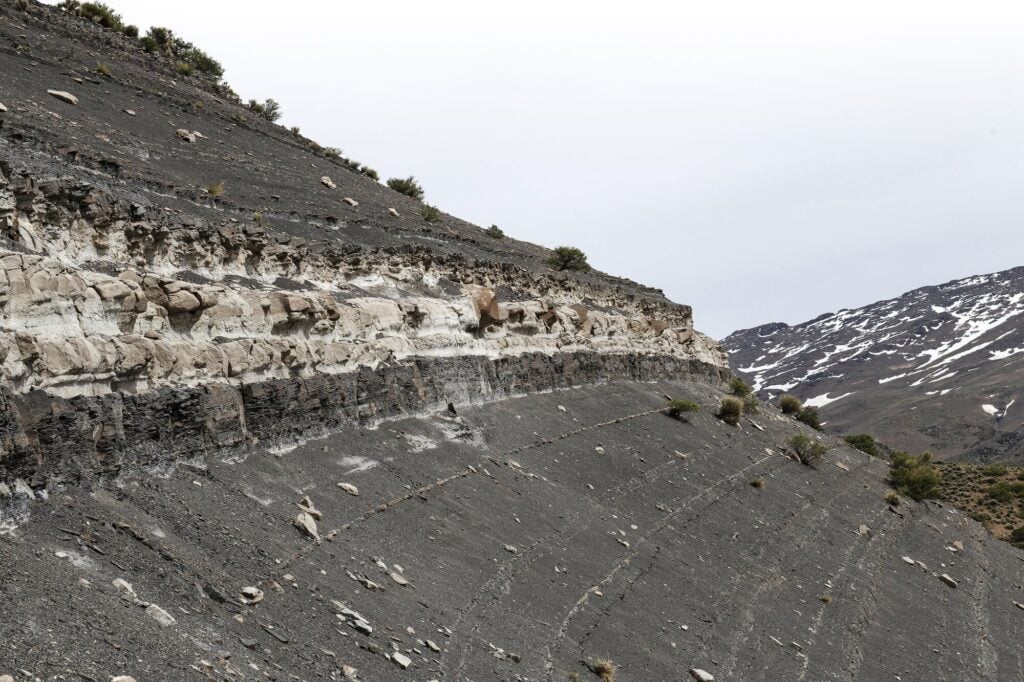
Macellari identified strong potential for unconventional resources, not only in the world-renowned Vaca Muerta play in Argentina but also in other Argentine basins and in countries throughout the region.
“The success of Vaca Muerta in Argentina has demonstrated that Latin America can develop world-class unconventional resources. Over the past decade, the industry has experienced an extraordinary learning curve, making tremendous advances in understanding how to efficiently develop these reservoirs while significantly improving productivity and reducing costs,” he said. “Now, this knowledge can be transferred to other basins across the region.”
In the spirit of promoting cross-regional knowledge-transfer, Macellari helped develop the inaugural URTeC Latin America Unconventional Resources Summit: “Vaca Muerta and Beyond: Exploring and Optimizing the Region’s Energy Potential,” taking place in Buenos Aires Dec. 1-2.
“Within Argentina, exploration is expanding beyond the Neuquén Basin, with increasing interest in the San Jorge and Austral Basins,” he said. “But the opportunity extends well beyond Argentina.”
Colombia’s Middle Magdalena Basin and Mexico’s Burgos and Tampico-Misantla basins possess many of the geological characteristics required for successful shale development. According to estimates by the U.S. Energy Information Administration, the Middle Magdalena Basin contains approximately 5 billion barrels of technically recoverable oil and 18 Tcf of gas, while the Mexican shale basins may contain roughly 545 Tcf of technically recoverable shale gas and 13 billion barrels of oil.
While potential exists and numbers are promising, the challenge for development is more political than geological.
“Countries such as Colombia and Mexico have largely restricted hydraulic fracturing through policy decisions, despite significant resource potential. Brazil also has promising unconventional basins, including the Paraná and Solimões basins, but development has been constrained by regulatory restrictions,” he said.
Political Changes, Policy Shifts
Macellari expects recent presidential elections in the region to bring changes to national energy policy.
The clearest example is in Colombia, where right-wing candidate Abelardo de la Espriella secured a close victory over Iván Cepeda, the candidate backed by incumbent president Gustavo Petro, whose energy policy halted new exploration contracts, diverted hydrocarbon revenues to renewable energy projects and promoted an accelerated phase out of fossil fuels.
De la Espriella, who takes office on Aug. 7, has promised to reactivate Colombia’s E&P sector by unfreezing exploration contracts, restructuring state company Ecopetrol to prioritize hydrocarbon exploration and removing legal hurdles to hydraulic fracturing.
Macellari said the new administration could represent an important turning point for Colombia’s oil and gas industry and for the country’s energy security.
“The country faces two pressing challenges: declining oil production and an increasing need for domestic natural gas. At the same time, no new exploration blocks have been awarded in recent years, leaving many companies with limited exploration portfolios,” he said.
“If the new government moves forward with new licensing rounds, it will provide an important signal to investors and help rebuild the country’s exploration pipeline. However, exploration is a long-term business. Even if new acreage is awarded soon, it will take several years to acquire seismic data, mature prospects, obtain environmental permits, drill exploration wells, and ultimately bring new discoveries into production,” he said.
Another positive development could be a more supportive operating environment. In recent years, many projects have experienced delays and disruptions resulting from regulatory uncertainty, permitting challenges, and conflicts with local interest groups. Greater policy consistency and stronger institutional support could significantly improve operational continuity and investor confidence.
“Overall, I am optimistic. Colombia possesses excellent petroleum systems and considerable remaining exploration potential,” he said.
“If stable policies, competitive investment conditions, and timely permitting can be achieved, Colombia has an opportunity to revitalize its upstream sector while enhancing its long-term energy security.”
Like in Colombia, contentious elections and political uncertainty in neighboring Peru and Bolivia created repercussions in the countries’ energy sectors.
“Peru and Bolivia both have attractive upstream opportunities, but the key question in each case is whether the investment climate can improve enough to unlock their geological potential,” he said.
Peru’s Keiko Fujimori, elected in June 2026, has promised an investor-friendly approach and stronger support for private investment in the oil and gas sector.
Macellari noted that significant areas of the country remain underexplored, particularly in the foreland basins, in northern Peru and in the offshore.
“Exploration activity has been very limited in recent years, so a more supportive regulatory environment could help revive upstream investment,” Macellari said.
“That said, Peru’s challenges extend beyond geology. Slow permitting processes, community relations, environmental approvals, and chronic political instability have all discouraged investment.”
He also signaled another important issue, the future of state oil company Petroperú, whose financial situation has affected the development of the country’s energy sector.
“A proposed restructuring of the company and the possible opening of some of its assets to private investment could represent an important step toward revitalizing the industry,” he said.
For Macellari, Bolivia presents a different opportunity.
“The country possesses substantial natural gas resources but has experienced a steady decline in reserves and production due to limited exploration over the past decade,” he said.
The Rodrigo Paz government, which assumed power in November 2025, is attempting to revitalize the energy sector though a new hydrocarbons law designed to reactivate investment and recover oil and gas production.
The initiative seeks to eliminate discretion in current contracts, establish a clearer and more predictable regulatory framework and encourage investment while maintaining state control over natural resources.
“The proposed new hydrocarbons law is an encouraging signal, as it aims to improve fiscal terms and attract new investment,” Macellari said.
“If successfully implemented, it could help restart exploration, replace declining reserves, and restore Bolivia’s position as an important regional gas supplier.”
Macellari finds more political and economic stability in Brazil, whose presidential elections take place in October 2026.
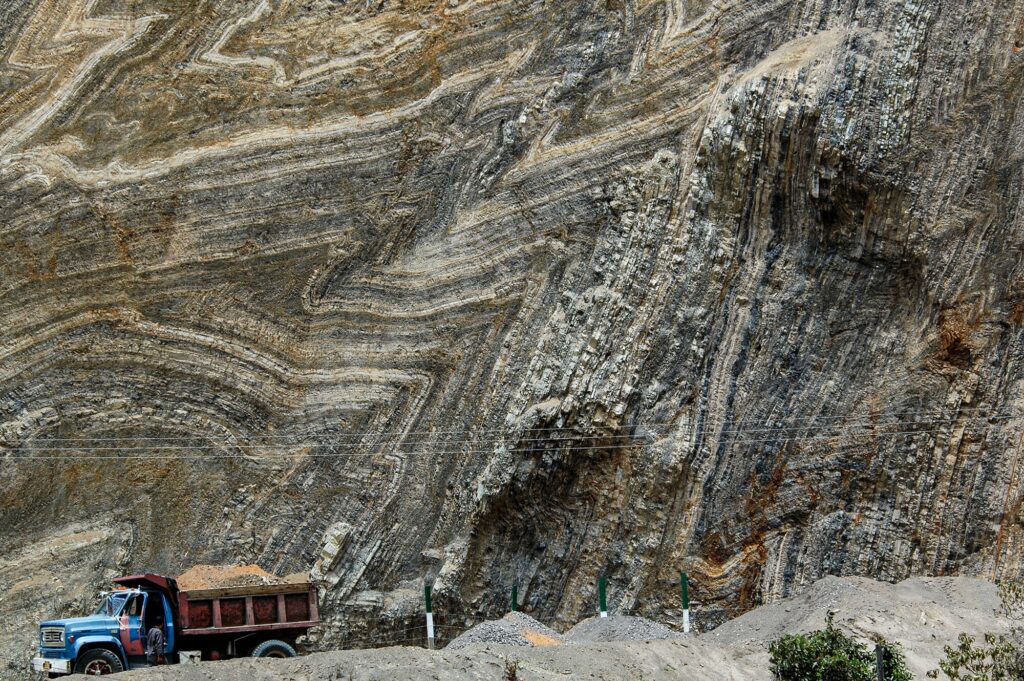
“Brazil always has had a strong support for the development of the industry, so I believe that the country will remain attractive for offshore oil and gas regardless of the election results, but the election can change the risk premium,” he said.
A continuity scenario – continuing the policies of current left-leaning president Luiz Inácio Lula da Silva – means more Petrobras-led development, more fuel-pricing/political-intervention risk, and more complex environmental balancing.
A center-right scenario probably improves private-sector sentiment and regulatory speed, but could face social/environmental pushback, especially in the Equatorial Margin, he said.
Offshore Frontiers
For Macellari, Brazil’s Equatorial Margin, particularly the Foz do Amazonas, Pará-Maranhão, and Barreirinhas basins, represents one of the world’s most exciting offshore frontiers today.
“Exploration activity in these basins has been very limited compared with Brazil’s prolific pre-salt province, yet their geological potential is considerable,” he said.
“Recent regulatory progress, including the approval of new exploratory blocks for future licensing by the National Petroleum, Gas and Biofuels Agency (ANP), is expected to stimulate renewed industry interest. If exploration proves successful, this region could become one of the next major offshore petroleum provinces in the world.”
Macellari also identifies opportunities farther down the margin, in offshore Argentina and Uruguay.
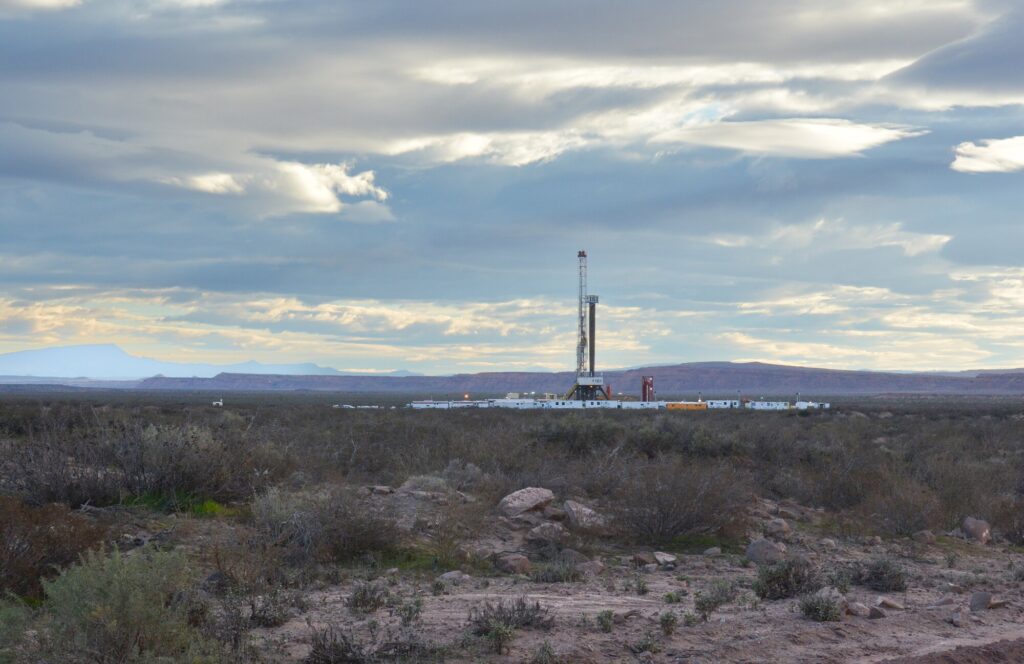
“There is no doubt that Argentina’s offshore – particularly the deepwater sector – represents one of the most attractive underexplored petroleum provinces in the world,” he said. “Slightly more than 200 offshore exploration wells have been drilled along the Argentine continental shelf, which corresponds to roughly one well for every 4,000 square kilometers. In deep water, however, exploration has been extremely limited. In an area comparable in size to the U.S. state of Michigan, only a single exploration well has been drilled.”
One of the reasons for the industry’s growing interest is the strong geological analogy with the conjugate margin offshore Namibia, home to several world-class light oil and gas discoveries since 2022.
“Before the South Atlantic opened, the Argentine/Uruguayan and Namibian margins formed part of the same geological system. They are thought to share similar Cretaceous source rocks, and seismic data indicate the presence of deep-water turbidite reservoirs comparable to those that have proven so successful offshore Namibia,” he said.
“Of course, geological analogies are only the starting point. The petroleum system still needs to be confirmed through exploration drilling. However, if these plays prove successful, Argentina’s offshore could become one of the most important new petroleum provinces in South America.”
In addition to the plays making headlines, Macellari also focuses on more subtle opportunities.
“Another area that I find particularly intriguing is the Trujillo Basin offshore Peru, where companies such as Oxy and Chevron are evaluating a previously undrilled deepwater play,” he said.
“What makes this opportunity especially interesting is that the Pacific deepwater margin of South America has seen remarkably little exploration compared with the Atlantic margin, and a success can open a totally new geological province.”
Venezuela
Perhaps the most-discussed energy story of 2026 is Venezuela, a country where Macellari lived in the late-1970s and again the late-1990s. He identified a variety of opportunities in Venezuela available in the short, medium and long term.
- Short term: The greatest opportunities lie in restoring production from existing fields. Venezuela possesses the world’s largest proven oil reserves, yet its production has declined dramatically from historical highs due to decades of underinvestment, operational challenges, and limited access to capital and technology. Today, production is approximately 1 million barrels of oil per day, well below its historical peak. This creates significant potential for relatively rapid gains through what the industry often refers to as “quick wins”: rehabilitating existing facilities, reactivating shut-in wells, optimizing production systems, and applying modern reservoir management techniques. These are investments that can deliver meaningful production increases in a relatively short period of time.
- Mid-term: “I see considerable potential in near-field exploration. One of the fundamental principles of petroleum geology is that new discoveries are often made close to existing fields. By applying modern seismic imaging, advanced geophysical interpretation, and improved drilling technologies, it may be possible to identify new accumulations and expand the productive limits of known fields,” he said.
- Long-term: Venezuela still offers substantial frontier exploration potential, particularly offshore. The giant Perla gas discovery in the Gulf of Venezuela demonstrated the presence of a world-class petroleum system. The obvious question is whether similar accumulations remain to be discovered elsewhere along the Venezuelan margin. “Given the country’s geological endowment, I believe that possibility certainly exists,” he said.
Macellari said the June 24 earthquakes do not appear to have had a significant impact on Venezuela’s upstream oil production or crude exports.
“The principal effect was on the downstream sector, where temporary power outages disrupted refinery operations, increasing the risk of domestic fuel shortages and highlighting the vulnerability of the country’s energy infrastructure. Fortunately, there was no evidence of major damage to producing fields or export facilities,” he said.
Looking ahead, he believes the indirect consequences of the disaster could be more significant than the immediate operational impact.
“The reconstruction effort will require substantial financial resources at a time when Venezuela is also seeking to rebuild its oil and gas industry. As a result, competition for limited public investment is likely to increase, making private and foreign investment even more important for restoring production capacity and supporting long-term growth.”
Renewable Energies
Macellari said a rise in the Latin America and Caribbean Region’s E&P sector coexists alongside a strong portfolio of renewable energies.
“Latin America has been a global leader in renewable energy for decades, largely because of its extensive use of hydropower,” he said.
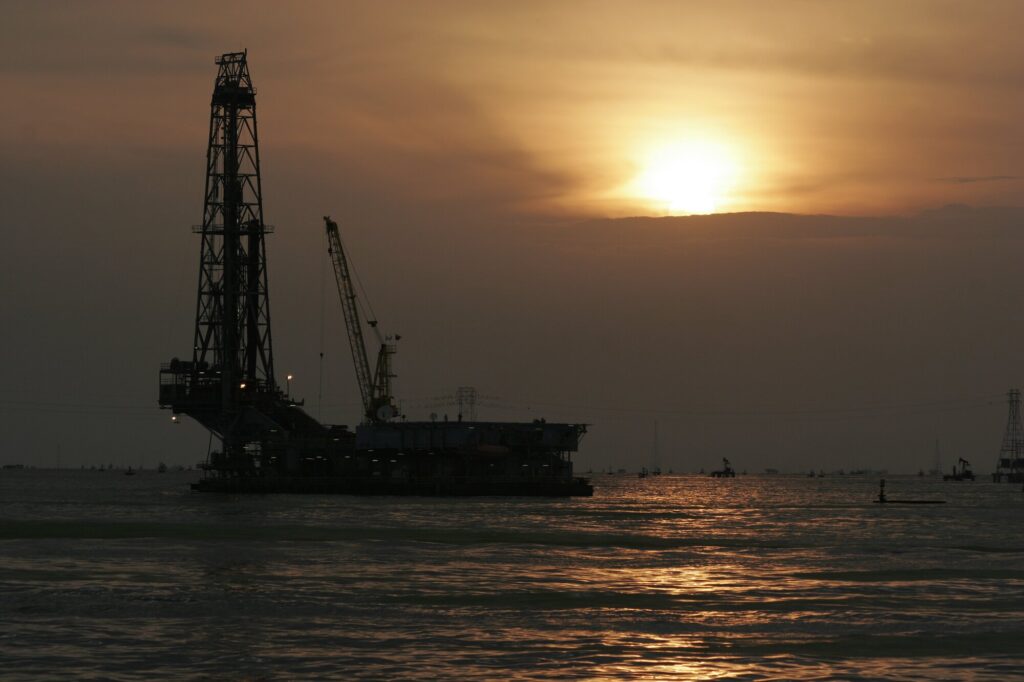
“Countries such as Costa Rica and Uruguay, which have limited hydrocarbon resources, have invested heavily in renewable generation and today obtain nearly all of their electricity from renewable sources, including hydropower, wind, solar, and geothermal energy.”
Brazil has also become a major player, with substantial investments in wind and solar power, while continuing to lead in the production and use of biofuels.
At the same time, Chile, Argentina, and Bolivia possess some of the world’s largest reserves of critical minerals such as lithium and copper, which are essential for batteries, electric vehicles, and the broader energy transition.
“Although the adoption of electric vehicles has been slower than in some other regions, renewable energy already represents a significant share of the electricity mix in many Latin American countries and will continue to grow,” he said.
Future Investment
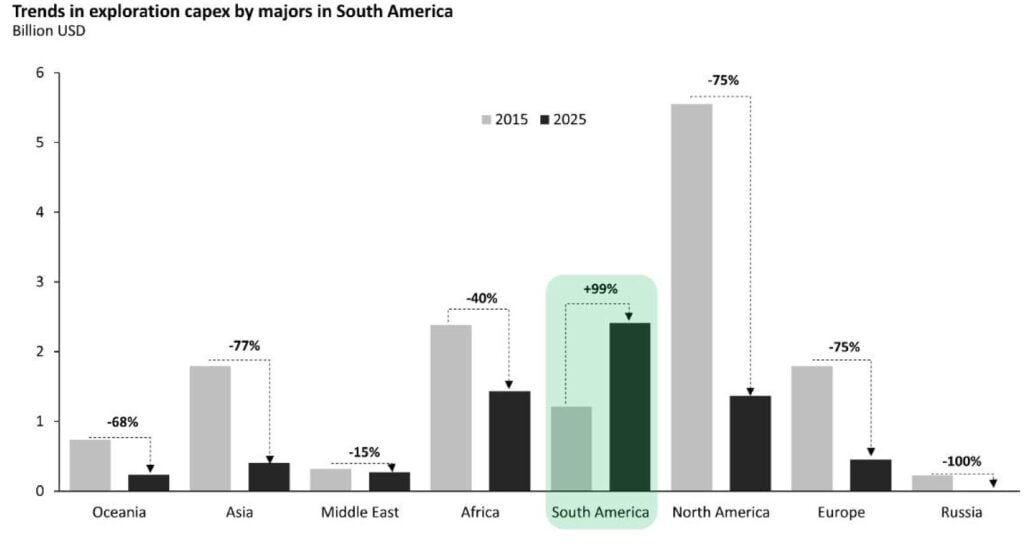
Investment in the region increased steadily over the past decade. Rystad Energy reported a 99-percent increase in exploration capital expenditures by major oil and gas companies in South America between 2015 and 2025. The majors decreased exploration CAPEX in every other region of the world during the same period.
“Although there are characteristics common to Latin America as a whole, each country has its own regulatory framework, fiscal regime, permitting process, social dynamics, business culture, and, of course, unique geology,” noted Macellari. “There is no single strategy that works across the entire region.”
“Ultimately, the companies that succeed in Latin America are those that take a long-term view,” he added. “The region offers exceptional geological potential, but realizing that potential requires patience, local engagement, technical excellence, and a genuine commitment to responsible and sustainable development.”