

There are hundreds of proposed CO2 injection wells for carbon sequestration in the United States. So why isn’t there more carbon capture, utilization and storage activity?
The short answer is, most of those wells don’t have a required well permit.
Injection-well permitting for CCUS might sound bureaucratic, boring and routine. But, somehow, it has turned out to be interesting and noteworthy to many. And lengthy. It’s a major factor in CCUS implementation today.
In the United States, CO2 injection wells for carbon sequestration and storage require a Class VI permit under a program administered by the Environmental Protection Agency. Rules for Class VI permits started going into effect in 2011.
But by the beginning of this year, the EPA had approved only a small number of those permit applications. As of February, six states also had gained regulatory primacy to issue permits, easing a permit logjam – although hundreds of Class VI applications are still in progress, on file or in preparation at the federal and state level.
Getting CO2 injection-well approvals will be the focus of a March 30 panel discussion at the CCUS 2026 event in The Woodlands, Texas. Permitting and regulatory matters will also be a part of several other sessions. The meeting is sponsored by AAPG, the Society of Petroleum Engineers and the Society of Exploration Geophysicists.
Stephanie Nwoko, senior geomodeler for Gulf Coast Sequestration LLC, will serve as session chair and moderator for the CCUS panel, “Behind the Approvals: Real-World Lessons from Class VI Permit Holders.”
“The presentation hopefully will give attendees access to the operators who have successfully managed this process,” Nwoko said. “It’s just to be able to share how they really went about it.”
Obstacles to Simplicity and Transparency
EPA has tried to make sure its permit process remains transparent, with details readily available to the public. Its main information gateway is the online Class VI Permit Tracker Dashboard. The site contains an abundance of background about well applications and their progress.
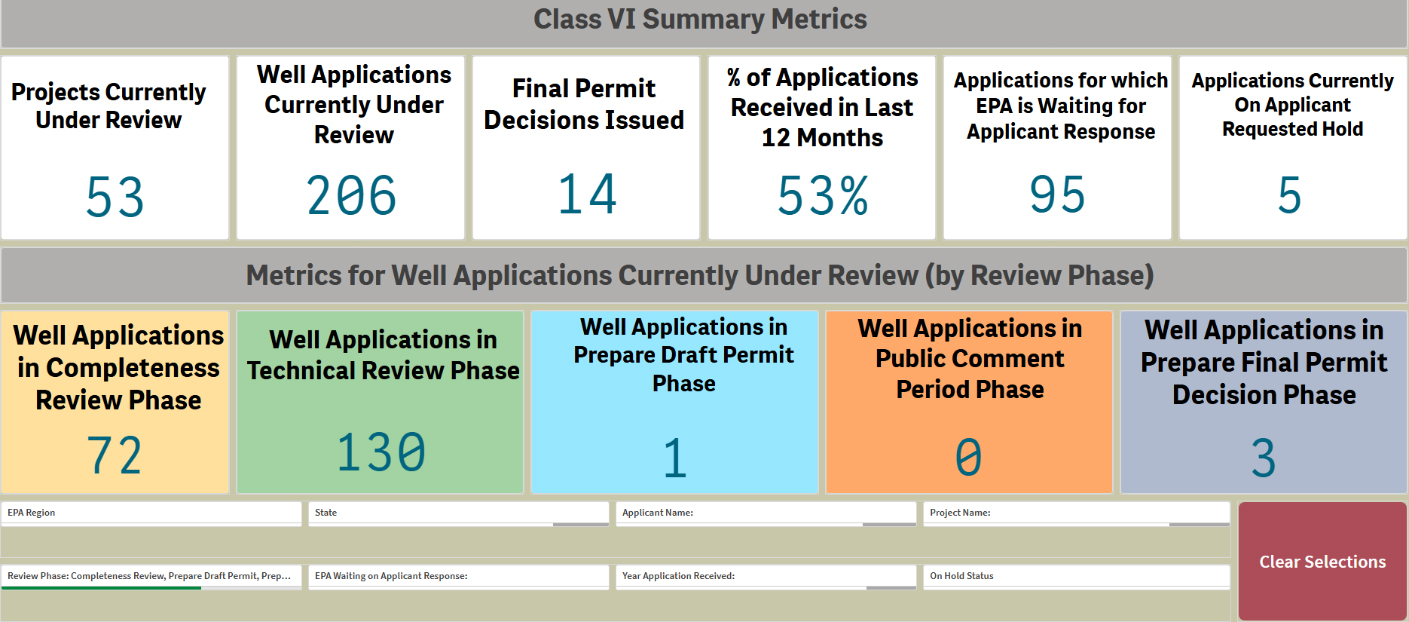
In mid-February, the tracker showed EPA was reviewing 206 well permit applications from 53 projects, more than half received in the past 12 months. A total of 14 final permit decisions had been issued. A quick count showed almost 400 Class VI applications pending at the state and federal levels combined, with about 45 total permits approved.
“There’s ongoing technical dialogue between applicants and the EPA throughout the review process. Much of that discussion centers on engineering design, well construction, subsurface modeling and monitoring programs, all to ensure a safe project,” said Travis Hurst, director of carbon storage for Carbon TerraVault and a member of the CCUS discussion panel.
He noted that the EPA’s 14 Class VI final decisions involve only six projects, with each well in a project requiring its own permit.
“There are applications associated with 53 projects currently in the (EPA) system, and the vast majority remain under active review,” he said.
Some carbon sequestration projects involve a single injection well, others multiple wells. Permit applications have come in from many parts of the United States, reflecting a reality of CCUS operations. Hurst said operators want to have sequestration projects as close to emissions sources as possible, to minimize CO2 transportation costs.
The six states that have received primacy – the right to issue permits for CO2 sequestration wells and enforce operating standards – are Arizona, Louisiana, North Dakota, Texas, West Virgina, and Wyoming. At least eight other states have applied for Class VI primacy, or have announced that they plan to apply. According to the EPA, primacy is granted only to states that have permitting standards at least equal to the agency’s own.
In developing Class VI rules “the EPA proceeded cautiously. It (CO2 injection) is not a new technique, but EPA was not familiar with it,” said Susan Hovorka, senior research scientist for the Bureau of Economic Geology at the University of Texas-Austin. She said that, at first, EPA knew little about multi-phase-flow modeling related to CO2 sequestration and grappled with the concept.
“At the same time, they were trying to get the rule out quickly because there was congressional pressure to do it relatively fast,” she said.
Hovorka said many people struggling to understand Class VI permitting think “there’s a lot of discrepancies, a lot of things are surprising. A lot of people who aren’t specialists are surprised that the regulation is so mature, that so much is being done.
“It’s surprising how dramatic people’s concern is. And that’s mostly grounded in lack of information,” she said.
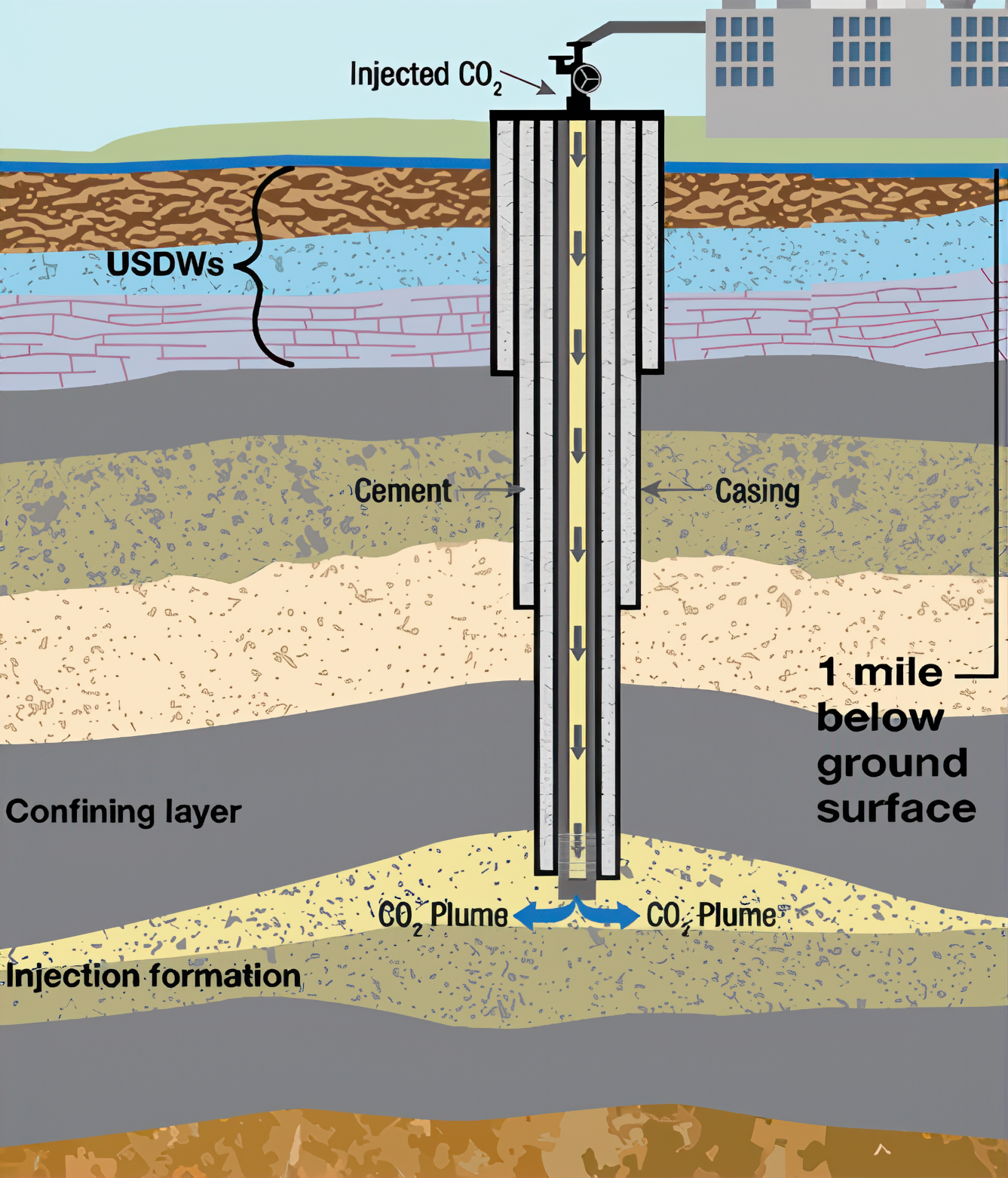
A significant amount of that concern involves the potential effects of injection wells on groundwater. Hovorka noted “the public wants a high level of assurance” about the injection permit process.
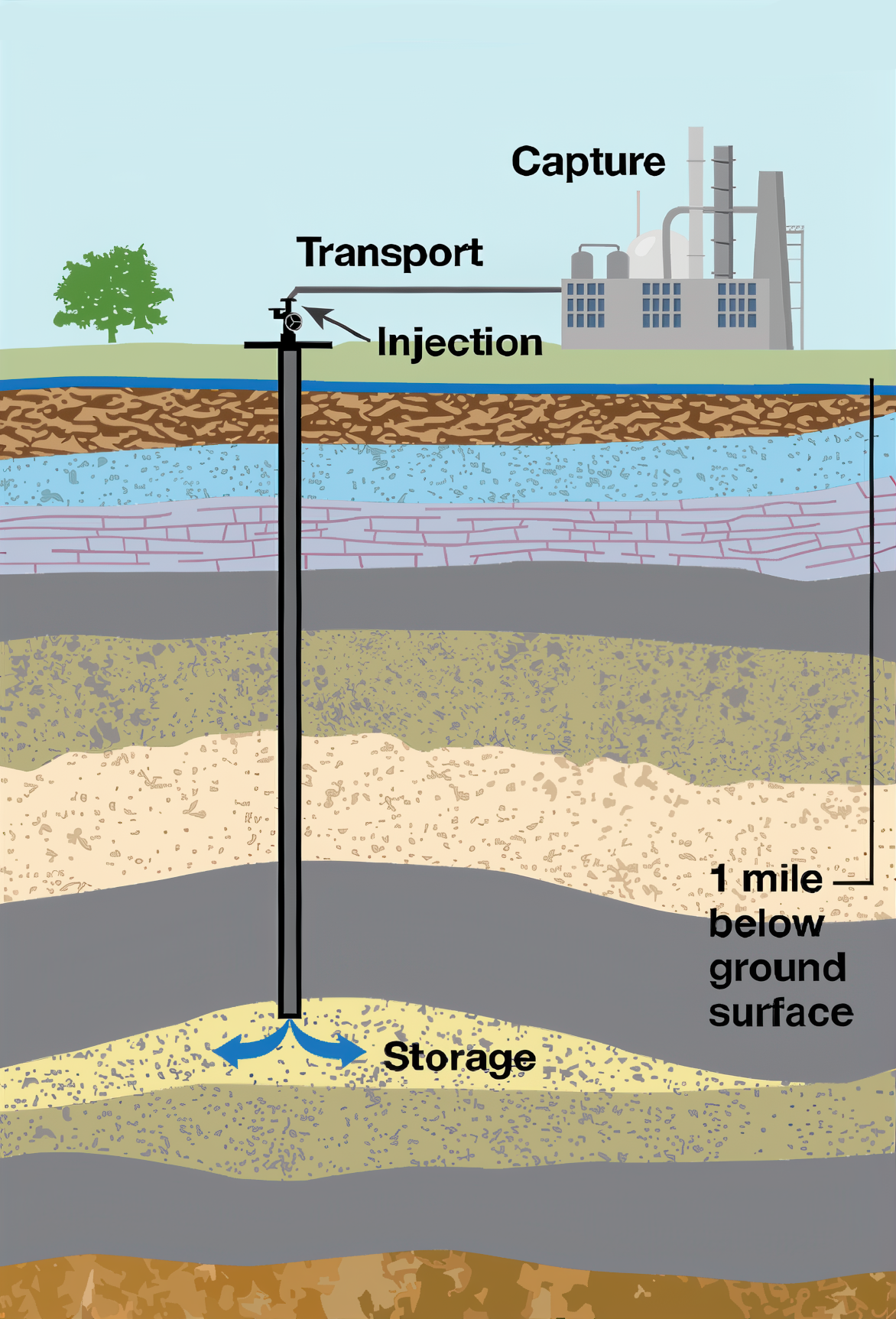
The Safe Drinking Water Act authorizes EPA to develop requirements and provisions for the Underground Injection Control (UIC) Program. UIC regulates the injection of fluids – including wastewater, brines and liquefied CO2 – into the subsurface for storage or disposal. It’s the basis for EPA’s injection-well permitting.
A Different Ballgame than Class II Permits
EPA also issues Class II permits for injection, related to enhanced oil recovery, which include CO2 for EOR. At one time it appeared that some operators might try to move their Class II wells to Class VI, switching to CO2 sequestration and storage as their EOR projects matured and played out. So far, that doesn’t seem to be happening.
“It seems attractive on the surface because you have experience with CO2,” Hovorka said, but taking hydrocarbons out of the ground is different from putting CO2 in.
“Trying to keep that pressure up (for production) means there’s not a lot of pore pressure space, sometimes there’s no space,” she observed.
“Another thing is, you’ve got all these wells that are compatible with Class II, but they might not be compatible with Class VI,” she said.
Wells do sometimes switch. In October, EPA issued three final Class VI permits to ExxonMobil for a project in Jefferson County, Texas. They allow the company to convert three existing test wells permitted by the state to CO2 injection wells for long- term storage, up to a maximum total of 5 million metric tons per year.
The Clock on Class VI
According to the EPA, the agency “aims to review complete Class VI applications and issue permits when appropriate within approximately 24 months,” including a technical review period of no more than 18 months. So far, state permit approvals have taken less time.
“They (EPA) get more applications, so it’s taking them longer to run through all those applications. Also, there are more things happening at the federal level that at the state level that affect the timeline,” Nwoko noted.
Hurst said Class VI permit applicants like Carbon TerraVault have evolved in understanding what satisfies the regulators’ technical requirements.
“As an industry, we’re continuing to refine our understanding of regulatory expectations and technical standards,” he noted. “In any new permitting framework, the earliest applications tend to take longer, but over time the process becomes more clearly defined, and we’re beginning to see that.”