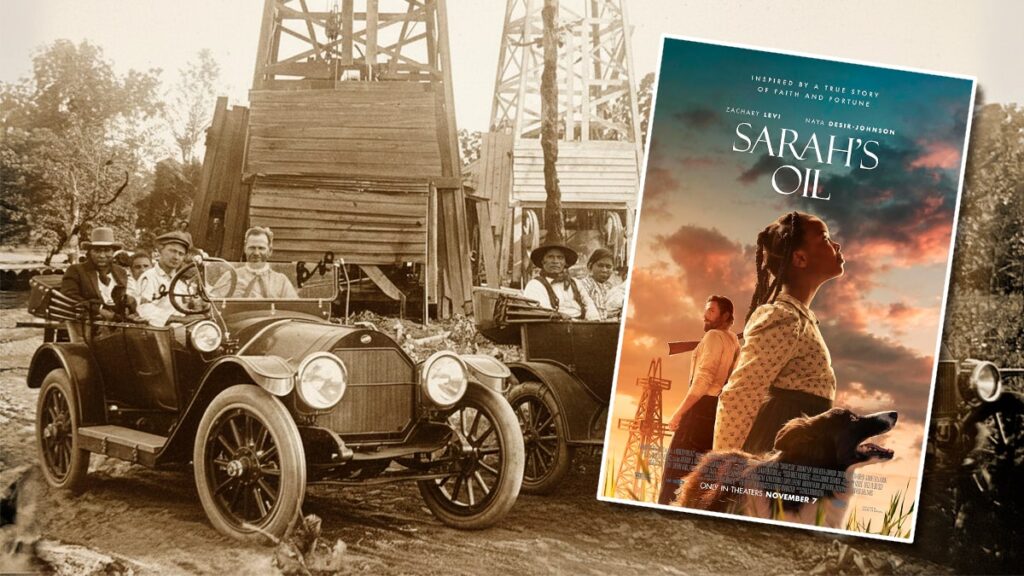
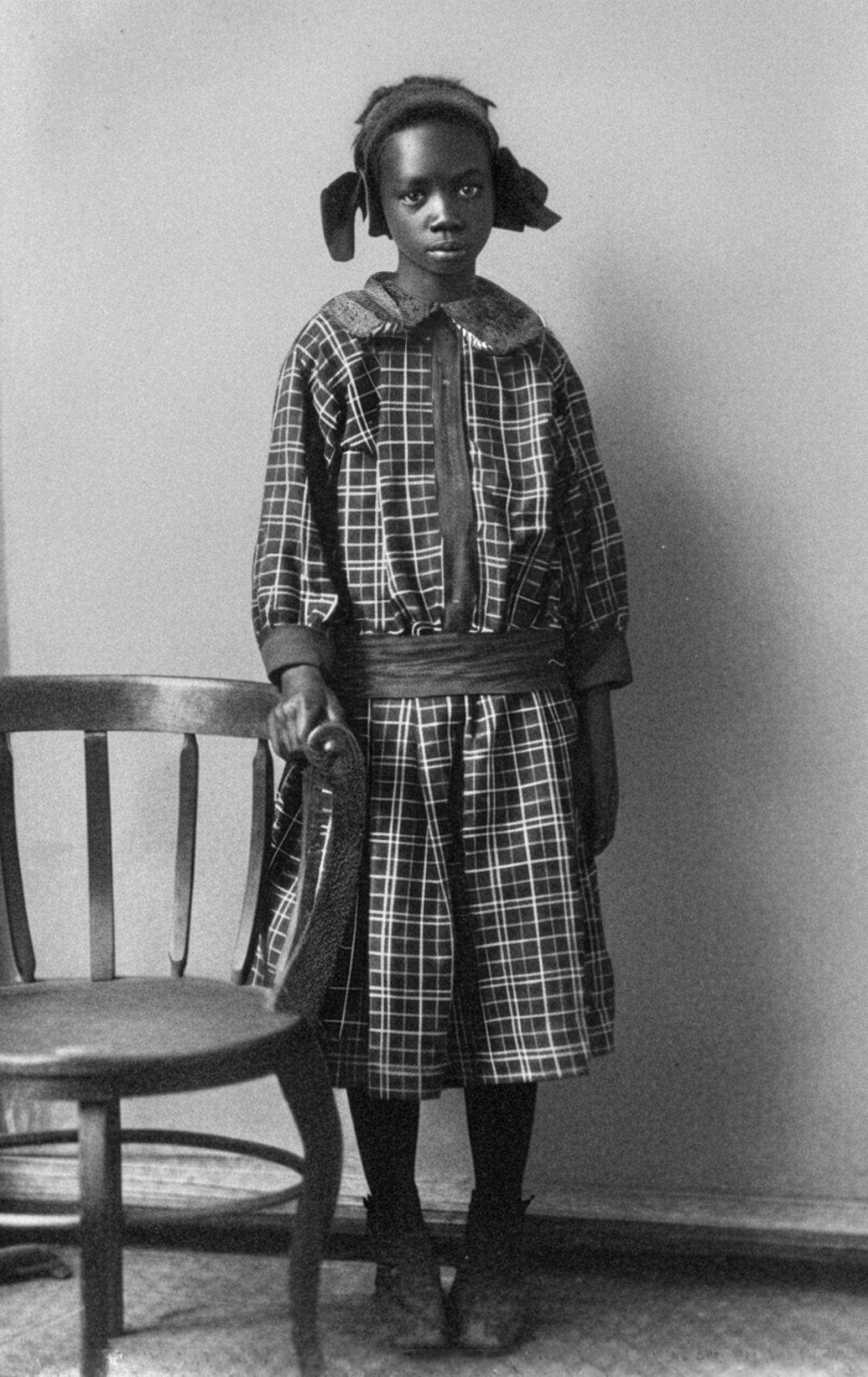
The film “Sarah’s Oil” was released in late 2025, inspired by the remarkable oilfield story of an African American girl in eastern Oklahoma whose income from oil royalties in 1915 was said to exceed that of the president of the United States. It is based on the true story of Sarah Rector, on whose land oil production made her one of the richest children in the world when she was only 11.
This tale has parallels to the David Grann book and Martin Scorcese movie, both titled “Killers of the Flower Moon” (see the February 2024 Historical Highlights). The true rags-to-riches story of Sarah Rector, however, focuses on one little girl and the huge fortune she made from the oil found on the 160-acre allotment she owned.
Freedmen and the Allotment
Sarah Rector was born in a small, weathered cabin near the town of Taft in Indian Territory in 1902, five years before Oklahoma became the 46th state. She and her family were known as “Creek freedmen,” black members of the Native American tribe commonly called Creeks. Taft was one of Oklahoma’s “all-black towns” established after Reconstruction, where freedmen and their descendants achieved a level of community self-governance. “Muskogee” (or “Muscogee”) is what the Creeks called themselves, and the eponymous town is about 10 miles from her birthplace.
Some Creeks had owned black slaves in the southeastern United States prior to the tribe’s brutal, forced removal and resettlement (along with the other four “Civilized Tribes”) onto the newly designated Indian Territory’s tribal lands during the Trail of Tears of the 1830s and later. Among these enslaved people were Sarah’s great-grandparents.
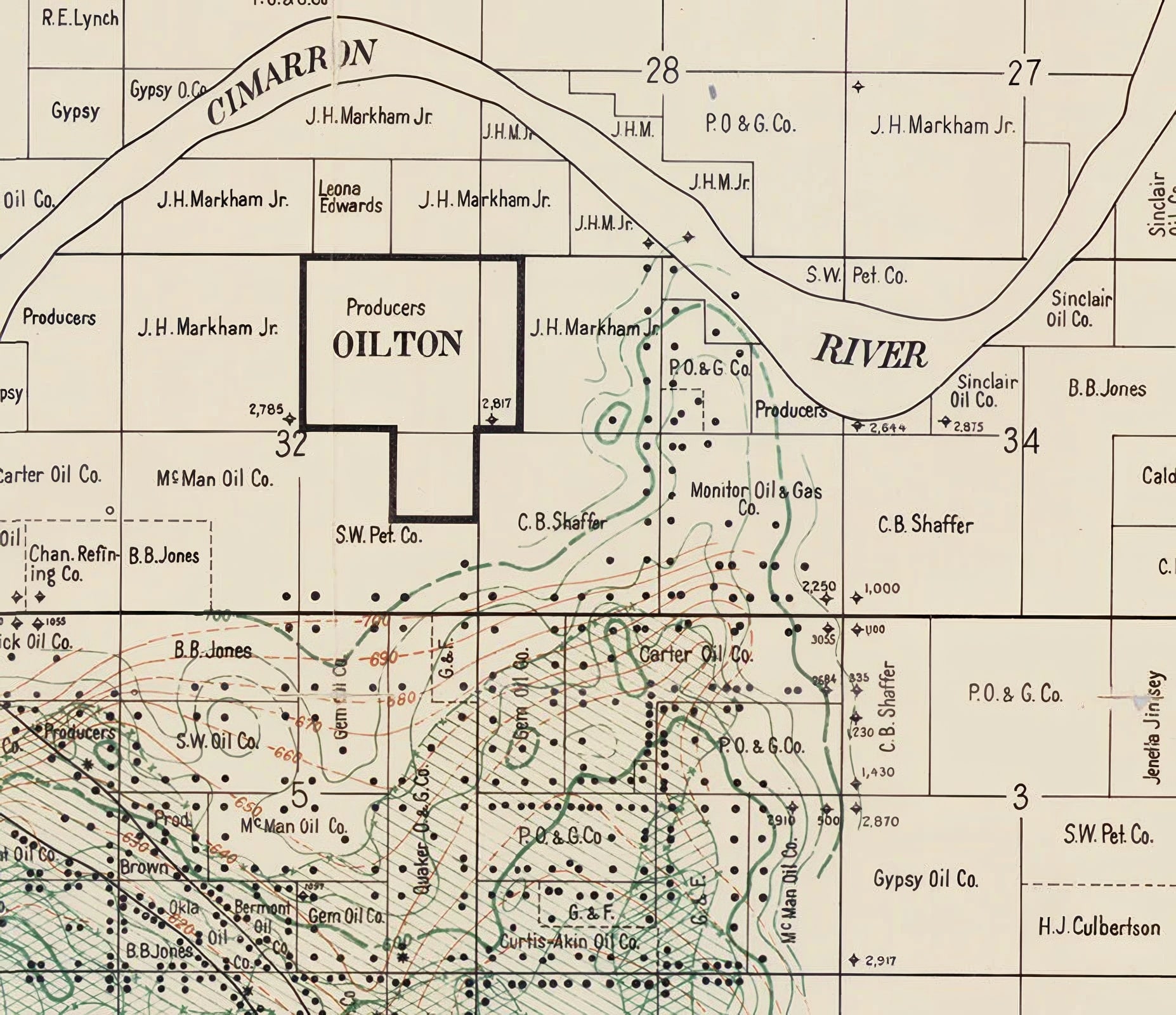
The freedmen were emancipated after the American Civil War in 1866. Then in 1901 – as part of the federal government’s much-abused policy to break up reservation lands that were traditionally held in common into individual plots – tribal members, regardless of age, were granted quarter-section allotments. Sarah’s 160 acres weren’t contiguous and weren’t even in Muskogee County where she lived, but mostly near a horseshoe bend of the Cimarron River in T18N-R7E in Creek County some 50 miles to the northwest. The mineral rights were included.
Much of the land granted to the Native Americans by the federal government under the Dawes Act of 1887 was thought to be undesirable for agriculture. Other acreage was also coveted (and subsequently – often fraudulently – acquired) by white settlers, cattlemen, the railroads, timber companies and coal miners. Had Uncle Sam known of the oil reservoirs below many of those allotments, including Sarah Rector’s, the narrative would likely have been very different.
Discovery
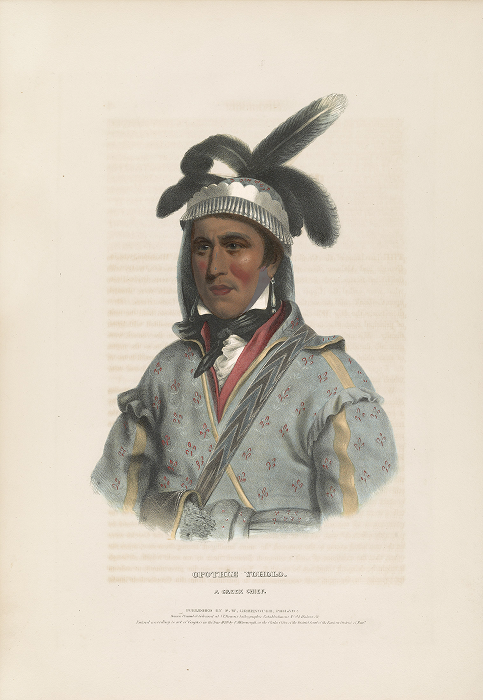
bondage. Library of Congress digital file LC-DIG-ds-03373, from a painting by Charles Bird King.
The first commercial discovery of oil in Oklahoma was at the Nellie Johnstone No. 1 well, drilled near Bartlesville in 1896, about 90 miles from Muskogee. The 1905 discovery of the fabulous Glenn Pool Field south of Tulsa transformed that small town into the “Oil Capital of the World” and brought the oil boom within about 20 miles of Sarah’s allotment. (The Glenn Pool was named for Ida Glenn, a Creek woman on whose land the discovery well was drilled.)
In 1909, Sarah’s father Joe Rector, a farmer, was required by law to become her legal guardian, allowing him to manage the seven-year-old’s property. Two years later he leased her rocky allotment to the Devonian Oil Co. from Pittsburgh for a dollar an acre, but that lease expired. Mr. Rector considered selling the allotment, which had become a substantial tax burden for the family, but leased it a second time for 50 cents per acre to a landman for a local businessman, B.B. Jones.
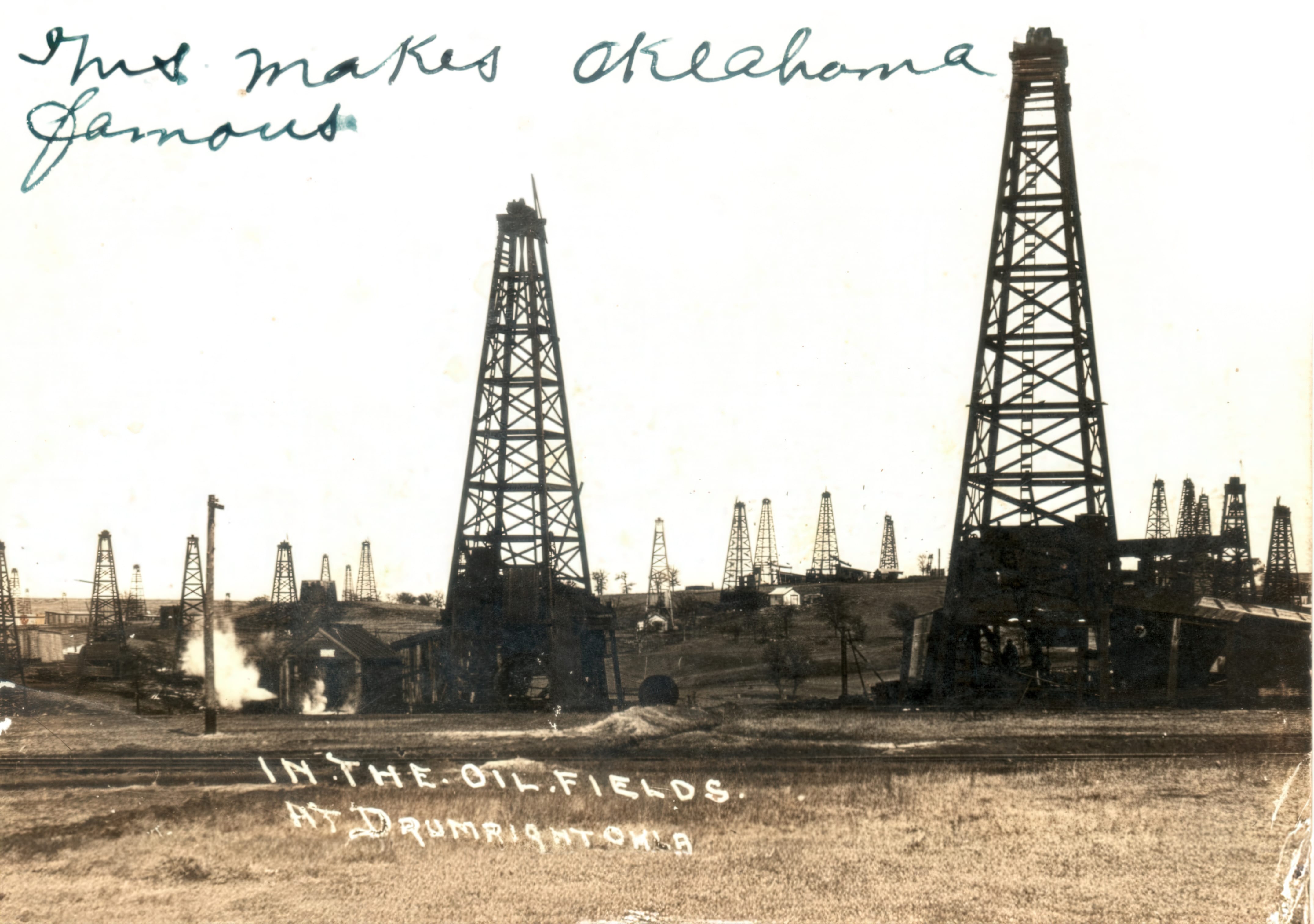
A wildcatter named Tom Slick had made an oil discovery five miles away, and Jones was one of the few who knew about it; he was a partner of Slick’s. The Wheeler No. 1 came in at 400 barrels per day in 1912 and opened the huge, shallow Cushing–Drumright oil field, sparking an historic oil boom. The field has yielded more than 200 million barrels of oil, and the town of Cushing, long since known as the “Pipeline Crossroads of the World,” became the primary delivery point for New York Mercantile Exchange trades of West Texas Intermediate crude oil futures.
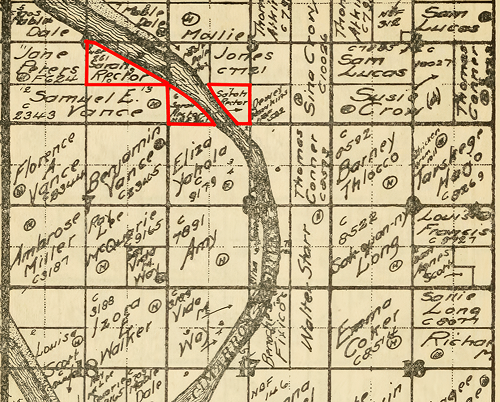
in red on “Hastain’s Township Plats of the Creek Nation,” 1910.
In late August 1913, Jones drilled and completed his first well on Sarah’s land, and the Muskogee Times-Democrat reported that it came in initially at 2,500 barrels per day. Sarah’s lease included the standard one-eighth royalty, and with oil trading at about $1 per barrel, her 12.5-percent share was said to be worth some $300/ day, roughly $10,000 today. Jones had hit a major producer, and Sarah looked to become one of the wealthiest children in the country as more high-volume wells were brought in on her allotment.
Cushing-Drumright is a structurally complex field that includes four domes and produces crude principally from the Layton, Wheeler, and Bartlesville sands, all Pennsylvanian. A major unconformity between the Bartlesville and the Cambro-Ordovician Arbuckle limestone suggests pre-Pennsylvanian uplift and erosion. Production was influenced by multiple periods of faulting, folding and erosion. Cushing dominated the Sooner State’s oil production for most of the 1910s when Oklahoma led the United States in crude oil output.
Legal Drama
It was also an era when Indian minors (and adults) were often swindled by court-appointed “grafter guardians.” Joe Rector resigned as her guardian, and an Oklahoma court appointed a local white man, T. J. Porter, to handle her affairs. Sarah was lucky again, as Porter invested her money in a new home and the land to build it on, a family car, then real estate, rich farmland, mortgages and other profitable investments.
At 14, Sarah asked the court to appoint her father and Porter as co-guardians. A banker named Milton Young was named instead of her father, and then Porter’s lawyer was found to have received kickbacks on her real estate transactions, which cost him his law license. She was subjected to intense attention by newspapers across the country and received numerous requests for financial assistance as well as many marriage and investment proposals.
Her story drew the attention of W.E.B. Du Bois, the sociologist and civil rights activist who co-founded the National Association for the Advancement of Colored People. Under his leadership the NAACP investigated some disturbing claims about Sarah Rector’s living conditions and the alleged mismanagement of her estate by her white guardian. The investigation found those claims to be mostly false; in fact, she, her family and her finances had been relatively well-cared for. However, her case drew attention to the broader vulnerability of black and Indian children with financial assets and prompted the later creation of the NAACP’s Children’s Department.
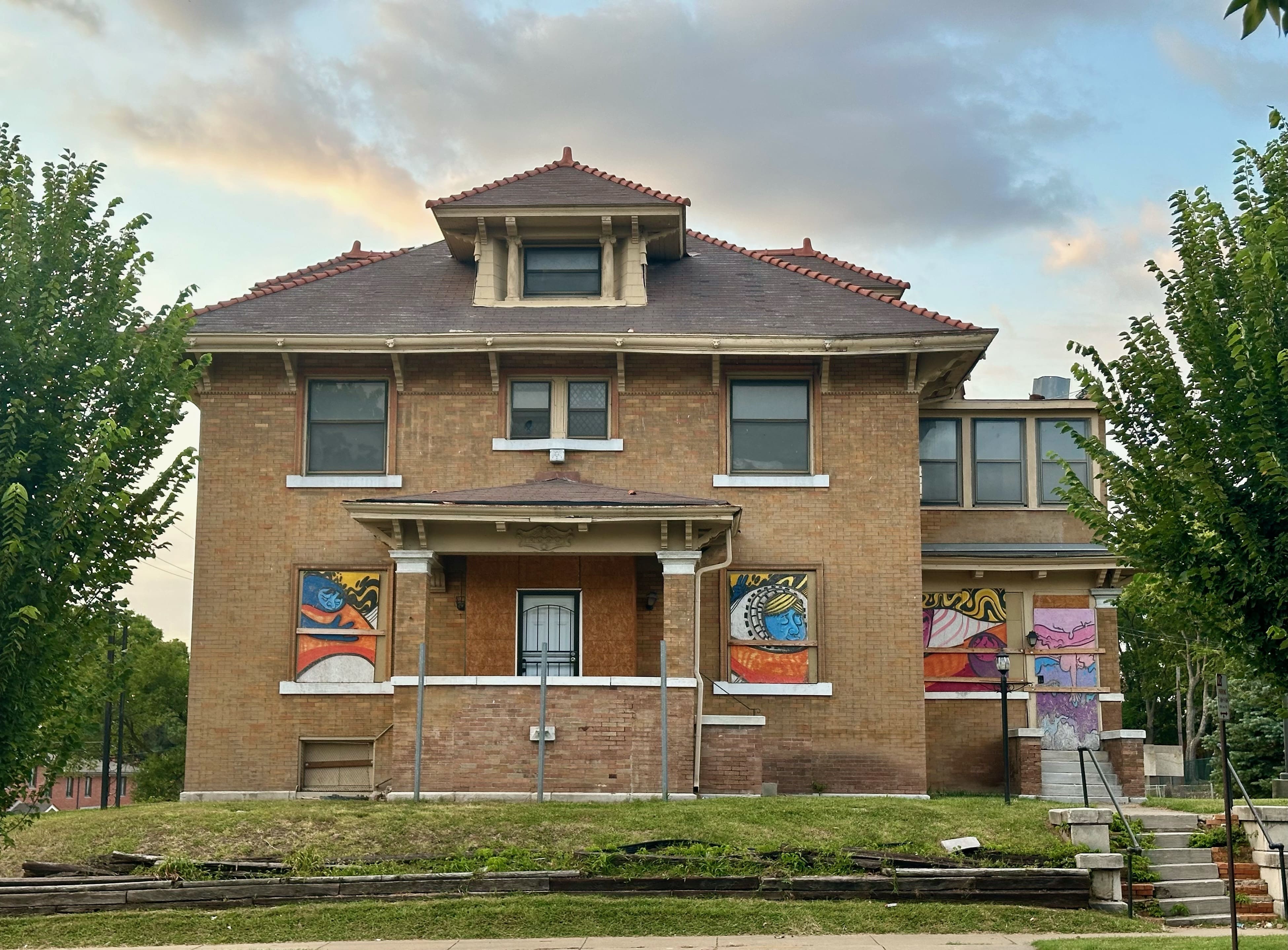
Sarah briefly attended the preparatory school at Tuskegee Institute in Alabama, where Booker T. Washington, an educator and proponent of self-help and education “as the path to Negro advancement,” apparently took a personal interest in her education. After the Rector family moved to Kansas City, Missouri, she graduated from Lincoln High School there. As an adult, she was able to take control of her own fortune, and Sarah began to enjoy the privileges of great wealth in her new Kansas City home. She moved into the “Rector Mansion,” a large stone foursquare home that is still standing. Kansas City’s “first black millionairess” entertained African American celebrities like jazz greats Duke Ellington and Count Basie, as well as heavyweight boxing champions Jack Johnson and Joe Louis.
Searching for Sarah Rector
“Searching for Sarah Rector: The Richest Black Girl in America” is no ordinary children’s book. Tonya Bolden’s historical biography for children about ages 8 to 12, is deeply researched and lavishly illustrated with bibliographic references, vintage maps, historic photos and an index.
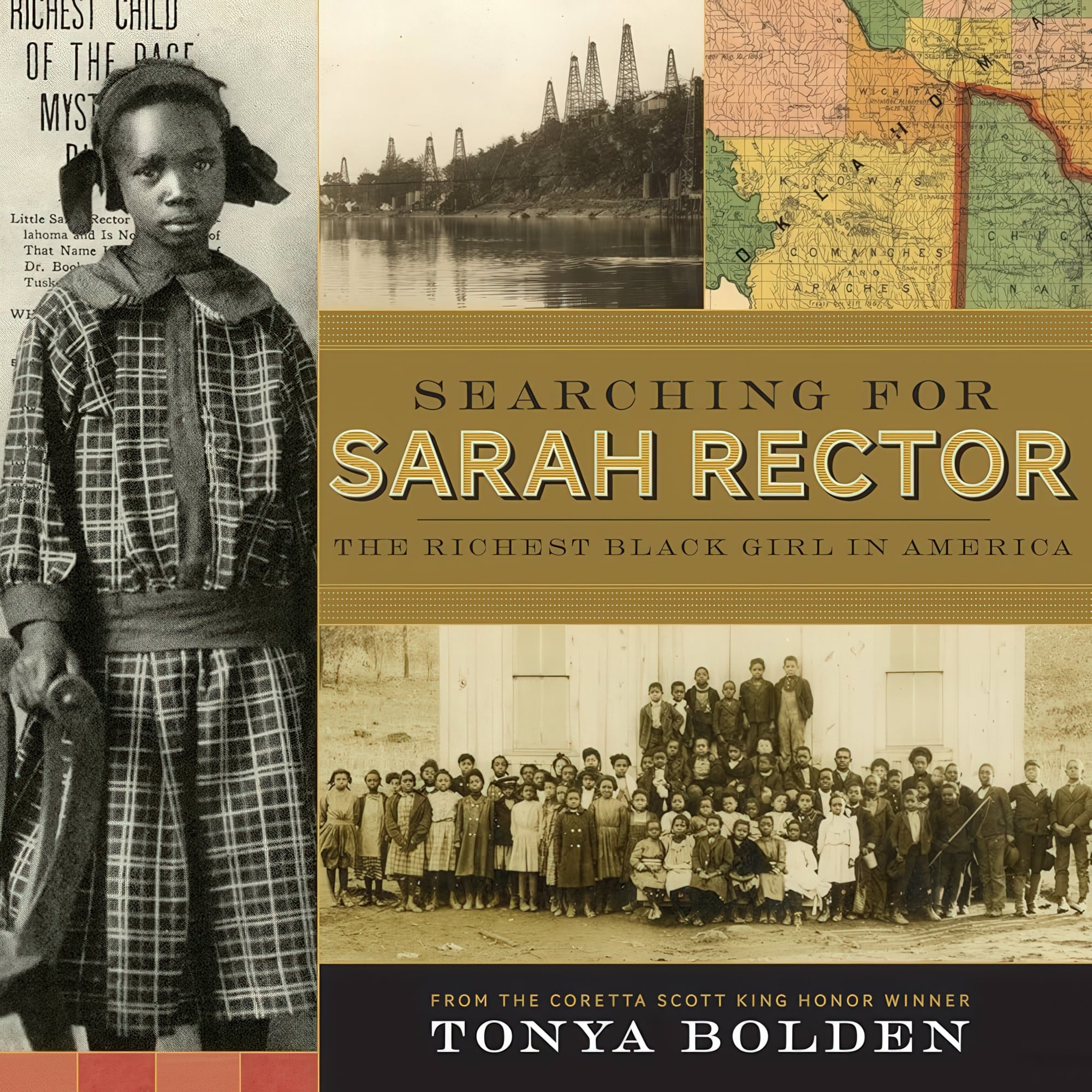
The book explores the creation of Indian Territory, the pioneer days of Oklahoma and its early 20th century oil boom, and the legal, economic and social challenges faced by blacks and Native Americans during the Jim Crow era. Bolden employed interviews with Sarah’s descendants, as well as newspaper accounts, courthouse documents and census records, to painstakingly piece together her dramatic life and the story of her family and community.
“Searching” refers to a period in 1914 when Sarah was falsely said to be missing by the black newspaper Chicago Defender, which ran a story headlined, “RICHEST CHILD OF THE RACE MYSTERIOUSLY DISAPPEARS.” She was at home in Oklahoma the whole time. “Searching” also refers to the absence of a diary or any other first-person accounts she might have left as a child. During the publicity frenzy after her wealth made Sarah a national cause célèbre, a Washington Post reporter went to her home for an interview. Apparently, “she refused to come out and see him but crawled under the bed.”
Sarah’s Oil
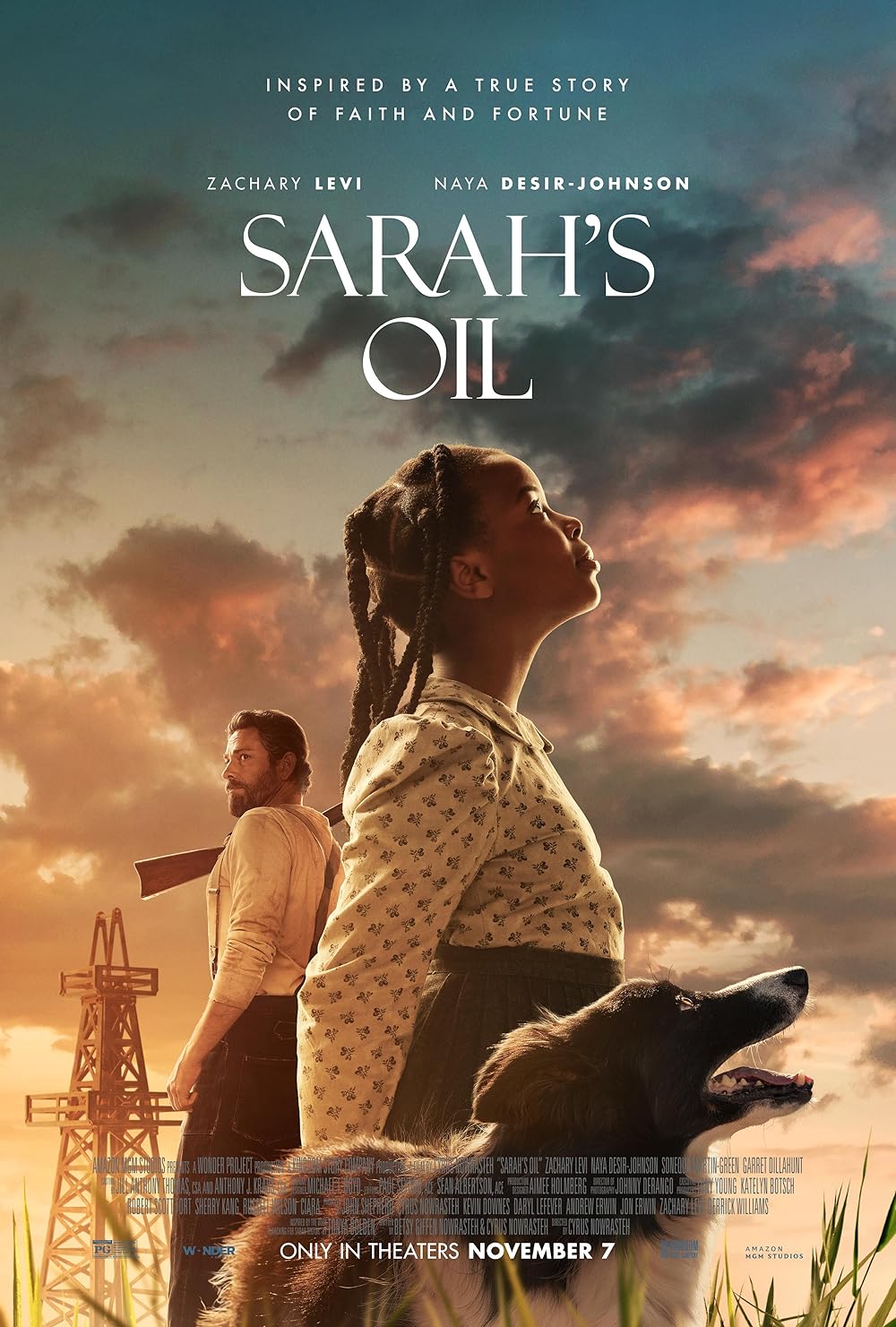
The film “Sarah’s Oil” was released theatrically on Nov. 7, 2025, by Amazon MGM Studios. Directed by Cyrus Nowrasteh and starring Naya Desir-Johnson (as a plucky young Sarah), Zachary Levi, Sonequa Martin-Green, and Garret Dillahunt, it was inspired by the children’s book by Tonya Bolden, who acted as a consultant for the film. Executive producers included power couple NFL quarterback Russell Wilson and Grammy-winning R&B entertainer Ciara.
The movie opens with an apt quote attributed to J. Paul Getty: “The meek shall inherit the earth but not the mineral rights.”
Spoiler alert: “Sarah’s Oil” varies from the book and the true story in a number of ways. It presumes that Sarah had a God-given faith that oil was under her allotment (“I heard it”), and it features her efforts to “find a partner to help me drill it out.” It suggests she boldly struck a 50-50 “Texas handshake deal” with the charming driller, rather than her lease’s one-eighth royalty. Her ssociated (in real life) with the Oklahoma Commission of Charities and Corrections – acting in that capacity. The historical record doesn’t support any of that, but faith, fortitude and an enduring friendship make for good drama.
Prairie Oil and Gas, the Midcontinent affiliate of Standard Oil of Indiana after the 1911 breakup of Standard Oil, later controlled the production and marketing of oil from Sarah’s lease. The movie suggests that she met John D. Rockefeller himself, which is unlikely, since he retired to his New York estate before she was born.
Rated PG, “Sarah’s Oil” was produced with the cooperation of Sarah’s descendants, and the outdoor shooting was done mostly near Okmulgee, Okla. The exciting scenes of cable tool drilling with a standard-derrick, steam-powered wooden rig bring the viewer into the center of the action. The movie received mostly positive audience feedback, with praise for its dramatic intensity, swelling score and faith elements. Reviewers favorably noted its pointed but family-friendly social commentary and “David and Goliath” sensibility.
Later Years
Sarah Rector married twice and had three boys and eight grandchildren. She left the Rector Mansion shortly after the Wall Street crash of 1929 and moved into a more modest home about a mile away. She continued to live comfortably, but sold (or lost through foreclosure) most of her Oklahoma real estate, including her allotment, in the early 1930s. One of her nieces remembered her recently as “ … a party girl. She loved to party, entertain – and she did – but the flip side is she loved her family.”
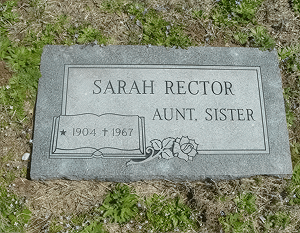
Sarah died of a stroke in 1967 at age 65 and was buried in the then racially segregated Blackjack Cemetery in Taft. The gravestone notes some of her family relationships but misstates her birth year and makes no mention of the oil discovery and vast royalty income that made her “the richest colored girl in America.”
I thank Jeff Spencer for the vintage postcards and Ray Sorenson for both a review of this article and pointing me to a related contemporary story, that of Tommy Atkins. In “Ghosts of Crook County: An Oil Fortune, a Phantom Child, and the Fight for Indigenous Land,” historian Russell Cobb recounts the convoluted saga of a Muscogee boy known as Tommy Atkins, whose death, or possible nonexistence, became the legal foundation for a powerful white oilman, Charles Page, to acquire his land in Creek County. Cobb reveals how multiple women claimed to be Tommy’s mother, how court battles and impersonations proliferated, and ultimately argues that Tommy was likely a fabrication devised to facilitate a land-grab. On the USGS map accompanying this article, the Atkins allotments are labeled as Gem Oil Co. (owned by Page) in sections 4 and 5. Sarah and Tommy were “neighbors.”