


Earth’s energy resources are a shared concern for people across the globe. As the demand for energy grows, so should the awareness of how different energy resources affect Earth’s systems. At the American Geosciences Institute, we aim not only to help people understand how energy resources shape many aspects of their lives, but also to show how geoscience knowledge can help in assessing trends, evaluating risks, tackling global challenges, and ensuring sustainability. With this in mind, the 2025 Earth Science Week (ESW) theme is “Energy Resources for Our Future.”
This year’s ESW celebration takes place Oct. 12-18. While many organizations host virtual and in-person events during this week, we encourage the celebration of ESW all year round. Events can be used to teach students and the public about earth science concepts and processes, but perhaps more importantly, they can raise awareness of the work that geoscientists do and how this work addresses real-world issues. To further enhance these connections, many of the materials developed for ESW 2025 incorporate the United Nations Sustainable Development Goals (SDGs, https://sdgs.un.org/), illustrating how the work of geoscientists addresses global challenges.
As geoscience professionals who belong to AAPG – one of AGI’s longstanding ESW sponsors and partners – we invite you to get involved in the celebration. Using the many resources produced by AGI and our ESW partners is one way to encourage members of the public to learn about the future of energy resources and their effects on our world. Hosting events might help to inspire future generations of petroleum geologists and energy specialists. For ideas on how to host events and get involved in ESW, in addition to seeing a full list of 2025 ESW sponsors and partners, please visit: www.earthsciweek.org/support/.
Centering on the Breadth of Earth Science
Each year, AGI works with our ESW sponsors and partners to put together an ESW Toolkit that contains educational resources that can be used in many setting, from classrooms to outreach events and even during webinars. A majority of the materials in the ESW Toolkit relate directly to energy resources and use datasets, images and hands-on activities to engage students and other audiences with energy-related topics. AGI has produced 8,000 ESW Toolkits, which many organizations order in quantities of 50 or more to distribute at events during ESW and in other outreach programs.
Specific items in this year’s ESW Toolkit focus on energy resources, such as:
- The ESW 2025 Poster, developed in collaboration with the National Energy Education Development (NEED) Project, features images of the 10 most commonly used energy resources, inviting viewers to consider how each might be used in homes, businesses, or modes of transportation. Activities and newly updated data on the back of the poster, as well as on the 2025 ESW website (www.earthsciweek.org/resources/2025), ask students and others to think about the energy resources in a variety of ways, including how they are being used in innovative technologies, and how these innovations also require a variety of mineral resources to help them function.
- The Geologic Map Day Poster was developed in collaboration with US Geological Survey, the Hawaii Groundwater and Geothermal Resources Center at the University of Hawaii at Manoa and the Department of Energy Geothermal Technologies Office and celebrates the connection between geologic maps and energy resources. One side features the new Cooperative National Geologic Map from USGS. The other side has maps of Hawaii Island, showing how the structure of the island makes it ideal for the use of geothermal, solar and wind energy. Lessons and activities for using both sides of this poster in classrooms or outreach events are on the 2025 ESW website. This poster can be used to celebrate Geologic Map Day (Oct. 17), which occurs annually on the Friday of ESW.
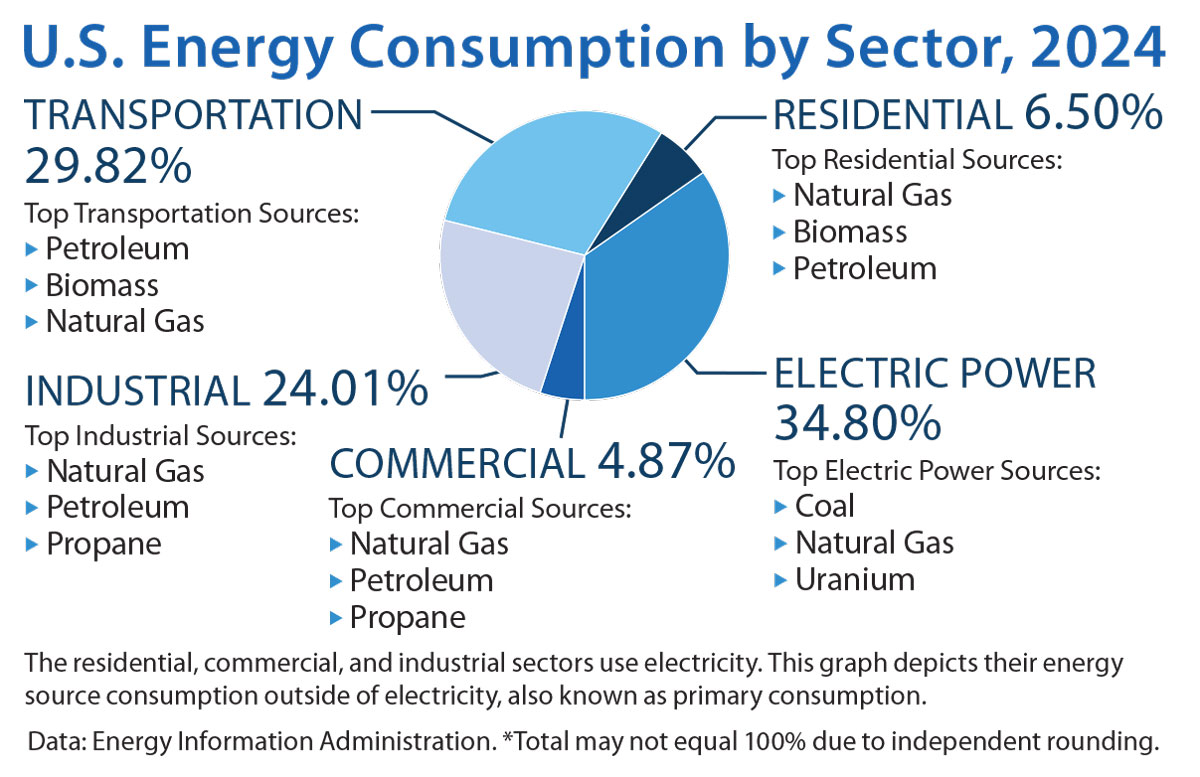
- The ESW Activity Calendar features an activity every month related to energy resources and their use. Some of the 12 activities are hands-on, while others are computer-based explorations of images and data. For example, the AAPG activity is featured as the first activity (in August, as this is a school-year calendar) and has students learn about a variety of energy reservoirs and deposits. This activity has students start by analyzing data on how the use of different energy sources has changed over time in the United States, and then investigating energy-related resources from energy sources like geothermal and oil to minerals used in energy technologies, such as lithium. Students are then directed to AAPG articles to learn about careers in energy.
In addition to sending out resources in the ESW Toolkit, AGI will host the annual ESW Webinar Series daily from Monday, Oct. 13, to Thursday, Oct. 16. Premiering at 1 p.m. Eastern Time, each webinar features a specific topic that relates to the ESW theme. The topics for the 2025 webinars are: geothermal energy, geologic mapping and modeling, educational resources from the NEED Project; and energy careers presented by AAPG members. Many of the presenters will be available in the chat during each live premiere to address questions from the audience. See the ESW Webinars webpage for more information and to register for the 2025 ESW Webinars: www.earthsciweek.org/webinars/.