Process-Based Geological Modeling is steadily moving from R&D specialist groups into broader asset team workflows. We are not fully “integrated” yet—the seamless link between stratigraphy, geomechanics, diagenesis and petroleum systems modeling is still a work in progress—but the gaps are closing.
The 3rd edition of the workshop will build on the 2nd edition that was held on 27-29 May 2024 in Abu Dhabi, United Arab Emirates. A major shift in the last three years has been the arrival of AI solutions that specifically target the “inverse problem.” We are moving past the hype to see AI for what it is in this domain: a computational accelerator. It is helping us condition physics-based models to hard data and run uncertainty loops that were previously lengthy if not infinite process, finally paving the way for these tools to sit alongside or integrated with traditional geostatistics in the decision-making process. Unlike previous editions, this one will also include petroleum systems modeling as part of the program.
Currently, most predictions often rely on stochastic geostatistical approaches. While powerful, these statistical models do not fully capitalize on the geological laws that govern sedimentation and rock mechanics, often struggling to predict heterogeneity in data-poor areas. Geological Process-Based Modeling offers the critical alternative: a deterministic, physics-driven approach that simulates the actual evolution of the subsurface. By respecting the laws of physics, process-based modeling provides the only way to test geological concepts quantitatively and predict rock properties in areas where well data is non-existent. The workshop aims to assess advancements, identify remaining gaps in the integrated workflow, and chart the path forward for practical implementation.
Sponsors
Host & Platinum Sponsor
Workshop Abstracts
With Support From
Affiliated Society
Program
Welcome Address
8:30 am - 8:45 amWorkshop Co-Chairs' Welcome and Introduction
8:45 am - 9:00 amInaugural Keynote
Session 1: Advances and Emerging Approaches in Geological Process-Based Forward Modeling
SESSION KEYNOTE: Forward Fracture Reservoir Modeling: How Rule-based Techniques Can Honour Both Geological, Geomechanical Constraints Together with Fluids Flows Requests
Gerard Massonnat, TotalEnergies
Progress and Challenges in Applying Geological Process-Based Forward Modeling to Subsurface Characterization and Exploration: Technology, Workflows, and a New Way of Thinking
Tao Sun, Chevron
Optimizing Subsurface Characterization: The Role of Integrated Process-Based Modeling Platforms
Yaser AlZayer, Aramco
Coffee Break & Posters
The Constraint of Constraints — and Calibrating Expectations: Lessons from a JIP
Alex Wilson, Eliis
Trying to Know What You Don’t Know: The Case for Experimental Numerical Stratigraphic Forward Models
Peter Burgess, University of Liverpool
Forward Stratigraphic Modeling for Deep Learning Clinoform Segmentation
Waleed Algharbi, Aramco
Open Discussion
Lunch
Session 2: Constraining Models with Wells, Seismic, and Production Data
SESSION KEYNOTE: Bridging Geology and Petrophysics through Multi-Physics Calibration of Geological Process-Based Forward Models
Charles Danquigny, University of Avignon
Quantitative Sequence Stratigraphy Through 1D Forward Modeling: From Well Data to 3D Modeling Parametrization
Julien Michel, Akkodis
Calibration of a Forward Stratigraphic Model: Coupling Global Sensitivity Analysis with Ensemble Data Assimilation
Liang Wang, Queen Mary University of London
Coffee Break & Posters
Integrating Geological Process-Based Modeling and Flow Simulation: Assessing the Impact of Stratigraphic Architecture on Reservoir Connectivity
Jeniffer Nobre, Slb
Operationally Tractable 3D Uncertainty Quantification and Bayesian Calibration for Sedimentary Forward Model
Mathieu Ducros, Kognitus
Opportunities and Challenges of AI Surrogate Models for Subsurface Simulations
Cédric M. John, Oregon State University
Open Discussion
Session 3: Process-Based Forward Modeling for Emerging Energy Applications
SESSION KEYNOTE: GO-Forward: Coupling Forward Stratigraphic, Diagenetic and Fracture Modeling for Improved Geothermal Resource Assessment
Florian Smit, Geological Survey of Denmark and Greenland
Coupling Stratigraphic Forward Modelling with Geomechanics for Natural Fracture Prediction
Assef Mohamad Hussein, Slb
Characterization of the Smeaheia CCS Prospect Using Assisted Interpretation and Forward Stratigraphic Modeling
Andrew Davies, Halliburton
Coffee Break & Posters
Practical Assessment of Geothermal Play-based Exploration Using Fast Update of Geological Process-based Resource Potential
Eduardo Barros, TNO
Physics-Informed Fourier Neural Operators for Variably Saturated Flow Simulations in Subsurface Heterogeneous Reservoirs
Amin Nadimy, Queen Mary University of London
TBC
Lunch
Session 4: Integrated Forward Stratigraphic and Petroleum Systems Modeling
SESSION KEYNOTE: Rethinking Basin Evolution: Bridging Forward Stratigraphic Modeling and Petroleum Systems Analysis
Nicolas Hawie, Halliburton
Coupled FSM-PSM Workflows for Frontier Basin De-Risking: A Decade of Integrated Resource Assessments along the Newfoundland and Labrador Margin
Samer Bou Daher, Beicip-Franlab
Unlocking Hidden Carbonate Reservoir Potential: Reaching Deeper Target Beyond Existing Penetrated Well Through Forward Stratigraphic Modeling
Iwan Setiawan, Beicip-Franlab Asia
Coffee Break & Posters
Towards a More Integrated Process-Based Basin Modeling Approach: Incorporating Multi-Scale Heterogeneity from Sedimentation and Diagenesis into Conventional Petroleum System Models
Keyu Liu, China University of Petroleum
Open Discussion
Session 5: Process-Based Forward Modeling for Exploration and Field Development
SESSION KEYNOTE: Reducing Subsurface Uncertainty in Field Development: A Forward Stratigraphic Model of a Miocene Reservoir, Gulf of Mexico
Enrique Vidal Cordova, Pemex
Integrating Process-Based and Data-Driven Approaches for Pore Pressure Prediction via Coupled Hydro-Geomechanical Modeling
Andika Perbawa, Aramco
AI-Augmented Forward Stratigraphic Modeling: Coupling Geology-Driven Machine Learning with Bayesian Automatic Calibration
Florent Desfromont, Beicip-Franlab
Forward Stratigraphic Modeling of the Fraser River Delta, Canada: Linking Modern Sedimentary Processes to Stratigraphic Architecture
Korhan Ayranci, KFUPM
Coffee Break & Posters
TBC
Khalid Hmoud, Aramco
TBC
TotalEnergies
Open Discussion: Where Next for Forward Modeling?
Workshop Wrap Up and Adjournement
Lunch
Poster Session
An Integrated Forward Stratigraphic and Geostatistical Workflow for Process-Based Reservoir Geomodeling: PGS And MPS Benchmarked on a North Sea Clastic
Samer Bou Daher & Florent Desfromont, Beicip-Franlab
Forward Stratigraphic Modeling as a De-Risking Tool for New Energy Resources: Applications to CCUS, Geothermal, and Lithium Exploration
Samer Bou Daher & Florent Desfromont, Beicip-Franlab
Spatial-resolution Effects on Sediment Transport and Calibration of Stratigraphic Forward Models
Daniel F. Bettú, Santa Catarina State University
Committee
WSC
University of Liverpool
TNO
SLB
KOC
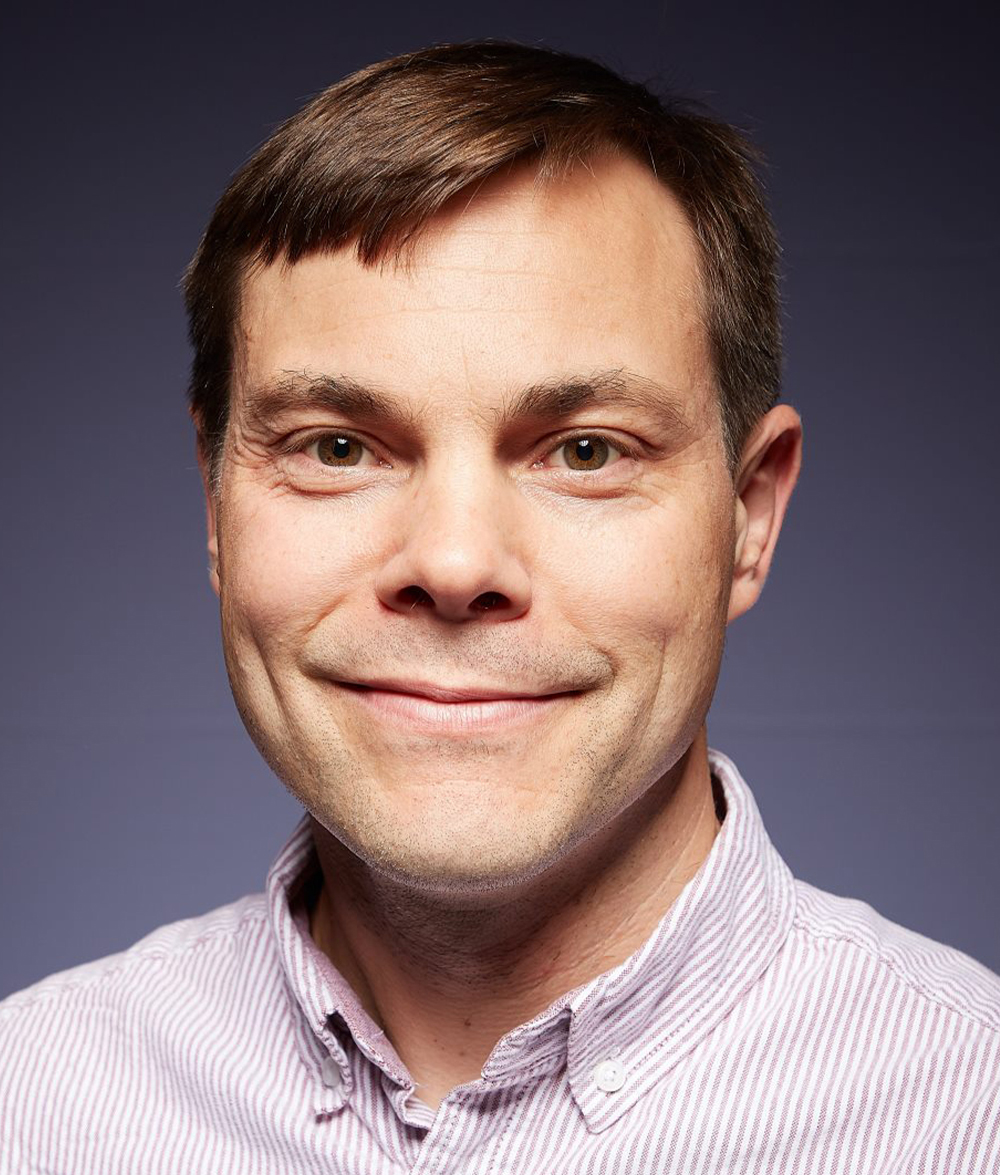
Oregon State University
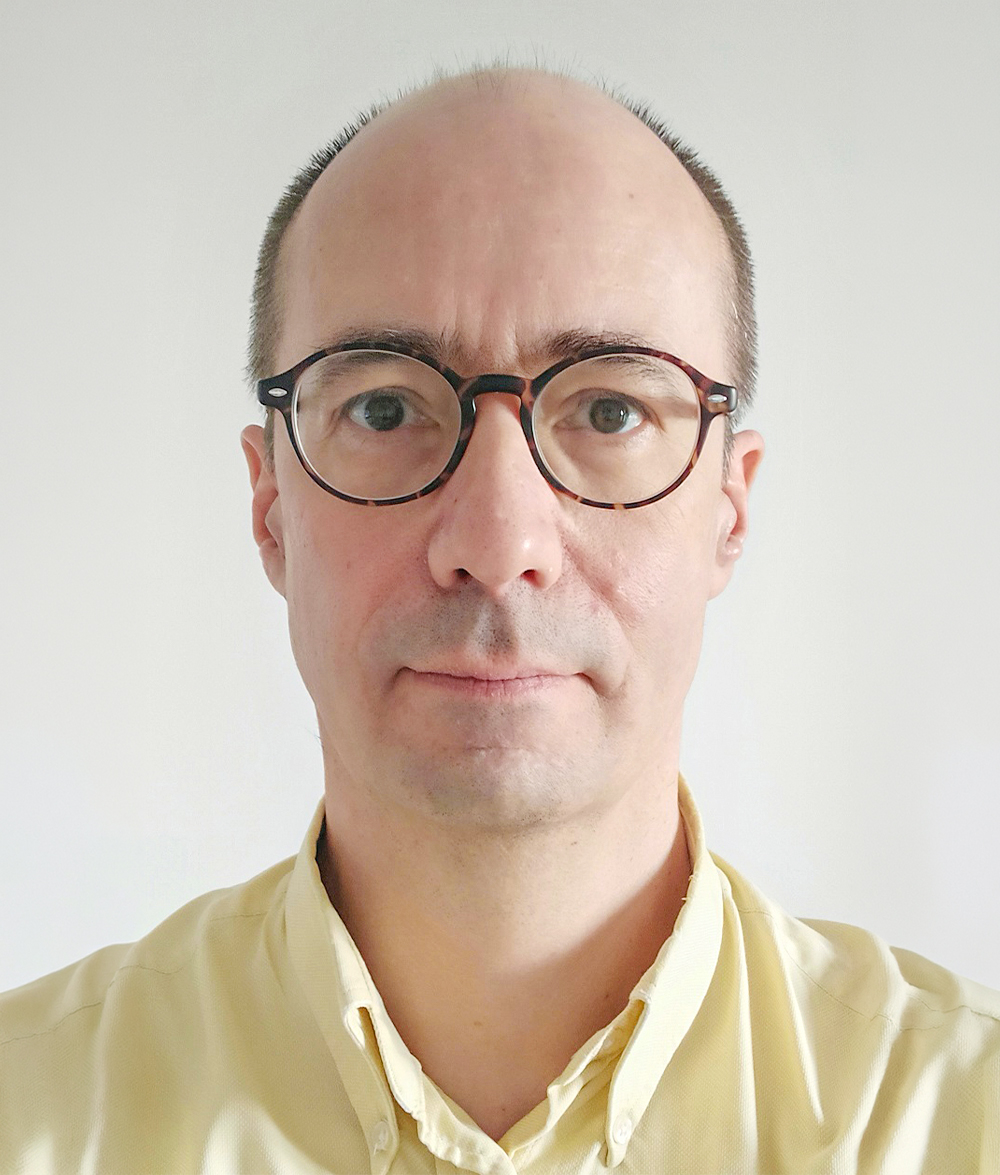
IFP Energies nouvelles

Halliburton

Aramco

Aramco
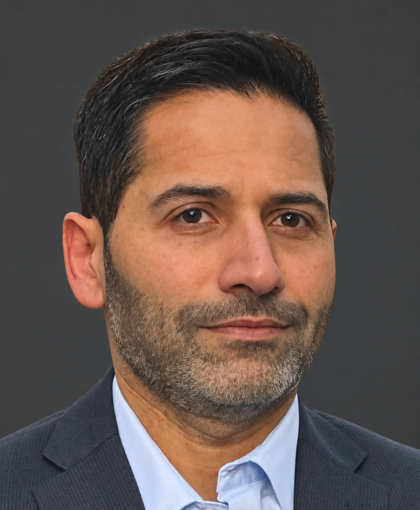
KOC

University of Avignon
Pricing
*To avail the Member rate you must be an active member of AAPG, DGS, GSO or KGS.
**All prices are in USD
Submit a Poster Abstract
The AAPG Geological Process-Based Forward Modeling GTW Call for Poster Abstracts Ends on 14th April 2027.
You are invited to prepare an abstract for poster presentation. If you are interested in participating, please send a short abstract to cnavarro@aapg.org before the mentioned deadline.
Sponsorship & Exhibition

Be Notified on AAPG Training Opportunities
From geotechnical workshops to field trips and more, stay in the loop on upcoming virtual and in-person events.