The AAPG Structural Styles of the Middle East is back! This exciting and highly anticipated Geoscience Technology Workshop will take place from 12 – 14 October 2026, in Muscat, Oman. Plus, join us for an optional short course on 11 October, and field trip on 15 – 16 October.
This workshop aims to explore the diverse structural styles resulting from the different deformation phases on the tectonostratigraphic framework of the Arabian Plate and adjacent regions. The workshop aims to covers a wide range of topics at both regional and local scale including:
- Influence of the various tectonic phases on the structural evolution of the main geological province in the Middle East and the Zagros/Makran regions.
- Intrinsic characteristics and comparisons of structural styles across different geological provinces and time intervals.
- Impact and control of fault & trap geometries on flow paths, retention, and storage.
- Key structural tools, methods and best practices used for the seismic interpretation and quality control of structural models.
- Applied structural analysis examples from the resources exploration to the energy transition and decarbonization.
Based on subjects above, the 2026 edition of the “Structural Styles of the Middle East” will articulate around 5 main themes covered by half-day technical sessions. These themes are the following:
- Latest advances on Tectonic Evolution of the Middle East
- Case Studies in the Structural Evaluation of Complex Reservoirs, Traps & Storage
- Salt Tectonics in the Middle East
- Examples of Structurally Influenced Resource Plays & Hydrocarbon Fields of the Middle East
- Digital Tools, Data Analytics and AI in Structural Geology
- Open Discussion Session
Workshop Objective
This workshop’s primary goal is to enhance knowledge sharing and collaboration within the geoscience community. Technical sessions will explore how various regional tectonic phases and other significant factors have influenced these major structural styles. Additionally, there will be a focus on recent advancements related to the topics discussed, highlighting their implications for the economic potential of hydrocarbon resources and the future of energy transition.
Sponsors

Platinum Sponsor

Platinum Sponsor
Gold Sponsor
With Support From
Lanyard Sponsor
Exhibitor
Exhibitor
Program
Workshop Registration
7:30 am - 8:30 amWorkshop Co-Chairs' Welcome and Introduction
8:30 am - 8:45 amInaugural Keynote
Mohammed Al-Mazrui, Exploration Director, PDO
Technical Keynote: Structural Style Frontiers - A Perspective from Saudi Arabia
Simon Stewart, Aramco
Poster Presentation Summary Session
Session 1: Latest Advances on Tectonic Evolution of the Middle East
Late Neoproterozoic Tectonic Evolution of Oman: From Rifting to Orogeny
Irene Gomez-Perez, Independent
Coffee Break & Posters
Permian Fossil Hyperextended Rifted Margin with Exhumed Mantle in Eastern Arabia (NE Sultanate of Oman)
Andreas Scharf, Sultan Qaboos University
Pre-Ordovician Paleotopgraphy in the Subsurface of the Arabian Platform Revealed by Integrated Seismic and Magnetic Constraints: Inselbergs or Possible Carbonate Build-Ups?
Lukasz Gagala, Aramco
Q&A Session
Lunch
Session 2: Case Studies in the Structural Evaluation of Complex Reservoirs, Traps & Storage
Structural Doming Caused by a Large Asteroid Impact in the Devonian of Northern Saudi Arabia
Philip Bassant, Aramco
Structural Modeling in Complex Traps – Zagros Belt Case Studies
Alan Vaughan, PE Ltd
Coffee Break & Posters
Fault Stress Modeling impact on CO2 Sequestration Potential within Rift Basin Settings
Jeres Cherdasa, Aramco
Q&A Session
The Neoproterozoic Basement of Oman
9:00 am - 9:30 amWilfried Bauer, GUTech
Session 3: Salt Tectonics in the Middle East
New Insights on the Structural Styles and Mechanism of Deformation of Southern Oman
David Repol, PDO
Salt-related Early Inversion in the Anaran Anticline, Lurestan Province, Iranian Zagros
Alejandro Amilibia, Terractiva
Gravity-Driven Salt Deformation Event in the Fahud Salt Basin, Northern Oman: A Regional to Field Scale Structural Study
Saif Al-Harthy, PDO
Coffee Break & Posters
Integrated Reservoir Modelling for CO2 Storage within Salt-Influenced Clastic Depositional Systems
Arindam Pal, Aramco
Structural Evolution of Al Huwaisah South Area
Abdullah Al Gahaffi, PDO
Breakout Session
Lunch
Session 4: Digital Tools, Data Analytics and AI in Structural Geology
Virtual Reality: The Solution to Inaccessible Fault Zones
Pascal Richard, PRgeology
Agile Structural Modeling: Using AI Towards Fully Automated Seismic Interpretation
Amani Mohammed Al Rubaiey, Slb
Coffee Break & Posters
Fault Damage Zone Prediction – Statistical Analyses of Outcrop Analogues
Christopher Wibberley, TotalEnergies
3D Modeling of Basalt Fracture Networks for CO2 Mineralization: A Case Study
Ranjan Das, Aramco
Where AI Helps (and Where It Doesn't): Lessons from a Structural Style Interpretation Course Preparation Case Study
Pascal Richard, PRgeology
Breakout Session
Session 5: Examples of Structurally Influenced Resource Plays & Hydrocarbon Fields of the Middle East
Evolution of Ediacaran Carbonate Platforms in North Oman: Insights from Seismic Attribute Analysis and Tectonic Load Modeling
Amanda Pouwel, PDO
Structural Controls on Hydrocarbon Accumulation: Case Studies from the Middle East/Saudi Arabia
Liwei Lu, Aramco
Examples of Structurally Influenced Resource Plays & Hydrocarbon Fields of the Middle East
Sawaa Sawaei, PDO
Coffee Break & Posters
Deciphering the Evolution of a Complex Subsurface Structure Using the Combined Input of 3D Seismic and Experimental Analogue Models
Pascal Richard, PRgeology
Characterizing Quaternary to Pliocene uplift in North Oman – A Hidden Gem
Jason Roberts, PDO
Q&A & Wrap Up Session
Closing Remarks and Adjournement
Lunch
Poster Session
Thermally Induced Fracturing and Geomechanical Weakening in Synthetic Rocks: Implications for Structural Styles and Reservoir Integrity
Zainab Alibrahim, Aramco
In Situ Stress Orientations and their Regional & Local Structural Influence Across Oman
Salim Shuaili, PDO
Fault Seal Efectiness Assessment and Risking Upper Cambrian Opportunities in Field A - Northern Oman
Riyam Al Riyami, PDO
Tectonic Evolution of Offshore Central Libyan Margin (Offshore Sirt Province)
Reem Aboushoug, NOC Libya
Tectonic Setting and Fluid Source of Carbonated Ultramafic Rocks from Northeastern Sultanate of Oman
Salwa El-Sattar, SQU
Fracture Development and Fluid Flow During Multi-Phase Post-Obduction Deformation of the Muri Anticline, Jabal Akhdar Dome, Sultanate of Oman
Wala Al-Lawati, SQU
Committee

Terractiva
Sultan Qaboos University
Petrogas
KOC

Shell
KAUST

GUTech

PDO
Aramco
Activity
The Jabal Akhdar in the Central Oman Mountains forms a ~90 km × 60 km dome. The core of this dome consists of Cryogenian to Ediacaran siliciclastics and carbonates, including source rocks. These rocks are separated from the overlying rocks by a spectacularly exposed angular unconformity. The rocks above this unconformity are Permo-Mesozoic shelf carbonates of the Arabian passive margin. The rocks below the unconformity are folded twice, while those above show no such folding. During the Late Cretaceous, Arabia was overthrust by the Samail Ophiolite and Hawasina deep-sea sedimentary rocks. Final doming occurred during the late Eocene to early Miocene. The Jabal Akhdar Dome is a textbook example of stratigraphy and structural geology development from the Cryogenian to the present. Furthermore, findings from the dome can be used as a natural laboratory and serve as an analogue for the hydrocarbon-bearing sequences in interior Oman.
The two-day field trip will start at the Saiq Plateau where we will examine Cryogenian Snowball-Earth diamictites with cap carbonates, blended within the scenic landscape of Jabal Akhdar. The second day will start at a breath-taking vista point at Wadi Bani Awf. From there we will descend into the core of the Jabal Akhdar and explore the structural style of the Cryogenian and younger succession.
Field Trip Information:
- Date: 15th – 16th October 2026
- Time: 7:30am – 7pm
- Field Trip fee: $550
- Registration Closed
Fees Include:
- 1 night accommodation in a hotel
- Guided hiking tour through rose farms and ancient villages in Jebel Akhdar (2–3 hours)
- Traditional Omani lunch hosted at a local home
- BBQ dinner in a scenic open area at Jebel Akhdar
- All transportation (4x4s)
Field Trip Leaders
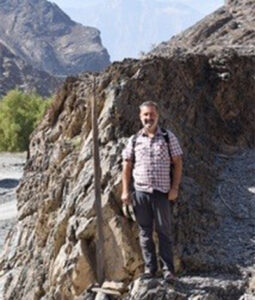
GUtech Oman

GUtech Oman
Sultan Qaboos University
Venue
Venue
Crowne Plaza Muscat by IHG
Address
Qurum Heights P.O. Box 1455 Muscat, 112 Oman, Muscat, Ad Dakhiliyah, Oman
Phone
968-24-660660Lodging
We have secured exclusive rates at the Crowne Plaza Muscat by IHG for those who wish to book accommodations at the workshop location. Should you wish to secure a room, kindly follow this link: Select your room
Rate Offer : RO 90 net with breakfast (city view single occupancy).
2nd person in the room : RO 10 net per night. Please be aware that room availability is limited.
*Important note: There are two Crowne Plaza Hotels in Muscat, the workshop will be taking place at the Crowne Plaza Muscat by IHG (click here
to view the location).
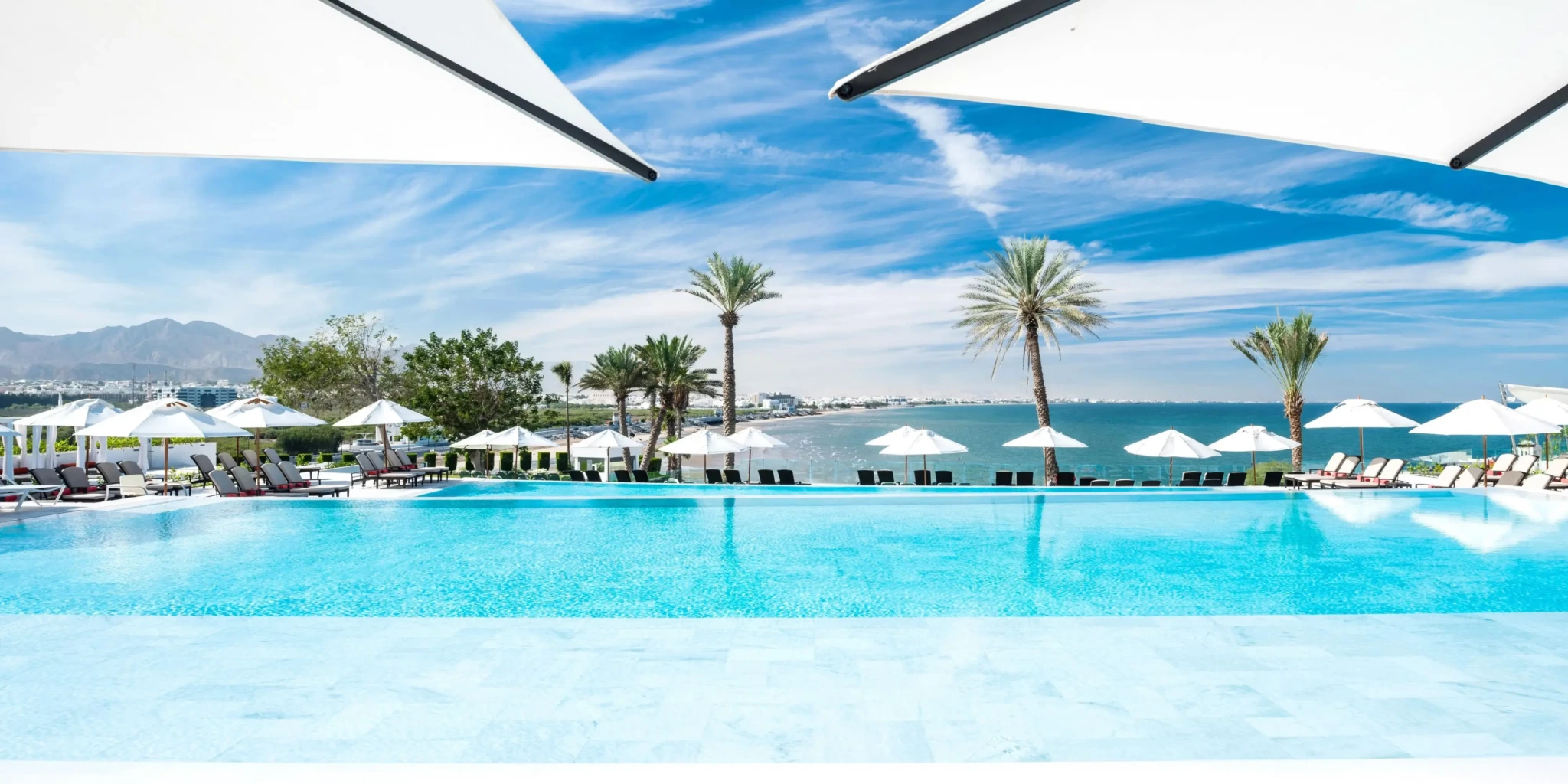
Crowne Plaza Muscat by IHG
Qurum Heights P.O. Box 1455 Muscat, 112 Oman, Muscat, Ad Dakhiliyah, Oman


Be Notified on AAPG Training Opportunities
From geotechnical workshops to field trips and more, stay in the loop on upcoming virtual and in-person events.