A decade of mapping groundwater chemistry with ensemble tree machine learning (ETML) methods by the U.S. Geological Survey (USGS) has shown that ETML is relatively easy to use, provides accurate predictions, and produces interpretable results. ETML models can be trained to make predictions of subsurface water chemistry using relevant geologic, geochemical, and geophysical features. These methods have been used in a variety of subsurface settings—from the regional scale in surficial aquifers and deep brine systems to the national scale across many kilometers depth.
Importantly, for the purpose of mapping, features must be available wall-to-wall and top-to-bottom across the modeling domain to make predictions in locations without observations of the target variable being predicted. Groundwater chemical datasets can present challenges for machine-learning modeling and prediction, such as small sample numbers, spatially clustered data, or censored values. Approaches for handling these challenges will be discussed and examples of ETML applications across the U.S. will be highlighted, with a focus on using ETML for predicting lithium in brines.
Speakers
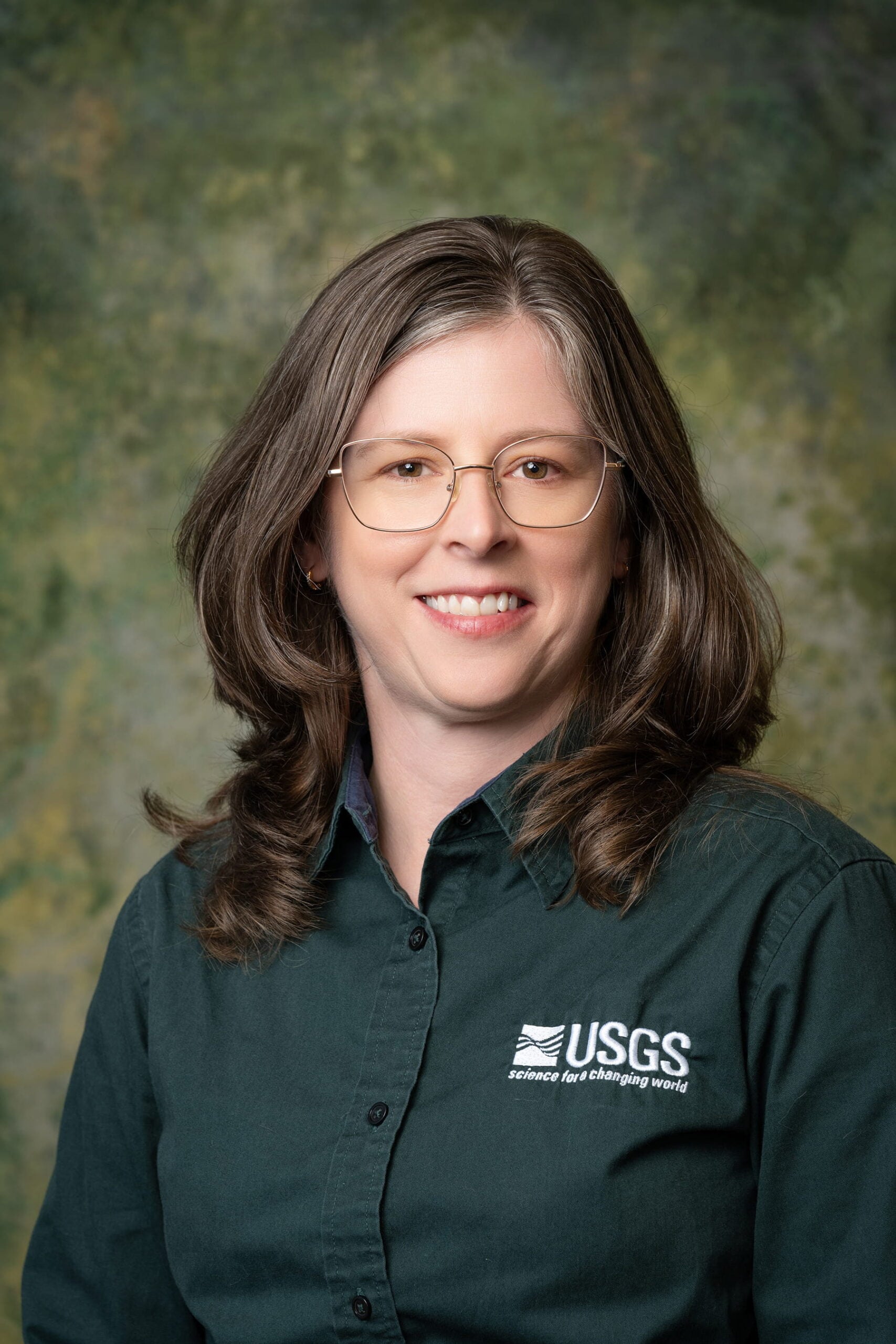
Katherine Kneirim
Be Notified on AAPG Training Opportunities
From geotechnical workshops to field trips and more, stay in the loop on upcoming virtual and in-person events.