Oceanic circulation, associated bottom currents, and a range of secondary oceanographic processes interact across multiple spatial and temporal scales to generate sedimentary features known as contourite and mixed (turbidite–contourite) depositional systems. Recent growth in both academic and industry research on deep-marine sedimentation has led to major advances in the understanding of these systems. Nevertheless, many non-specialists remain unfamiliar with their characteristics, origin, and significance.
Contourite and mixed depositional systems are under-recognized rather than underrepresented. They are widespread, commonly occurring at basin scale, and in many regions represent dominant deep-water depositional systems characterized by expanded sedimentary records along continental margins and adjacent abyssal plains. These systems are also preserved throughout Paleozoic, Mesozoic, and Cenozoic stratigraphic successions, highlighting their considerable stratigraphic significance. The increasing interest in these systems has resulted in a refined, although still evolving, understanding of their development and dynamics. There is growing recognition that deep-water sedimentary processes rarely operate in isolation; instead, interactions between alongslope and downslope processes are the norm rather than the exception in deep-marine environments. Beyond resolving their origins and evolutionary pathways, ongoing research must also address their role in deep-sea ecosystems, geological hazards, environmental management, and economic development.
Important knowledge gaps remain regarding their formation, evolution, and function within oceanographic systems. This talk summarizes current conceptual paradigms concerning oceanic current processes and products, presents global examples of contourite and mixed depositional systems, and discusses their identification and interpretation using diagnostic criteria from 2D and 3D seismic datasets as well as sedimentary facies analysis. Particular attention is given to the role of bottom currents in shaping seafloor morphology and controlling the stacking patterns of deep-water sedimentary successions. The growing scientific and industrial interest in bottom-current processes demonstrates that contourite and mixed systems represent fundamental components of deep-marine sedimentary environments. A shift in perspective is required to achieve a more integrated understanding of the multiple sedimentary processes operating within marine basins and to rethink traditional concepts of deep-water sedimentation. Collaborative efforts among researchers, industry partners, and policy-makers will be essential for advancing both scientific understanding and the responsible stewardship of deep-water depositional systems.
Speakers
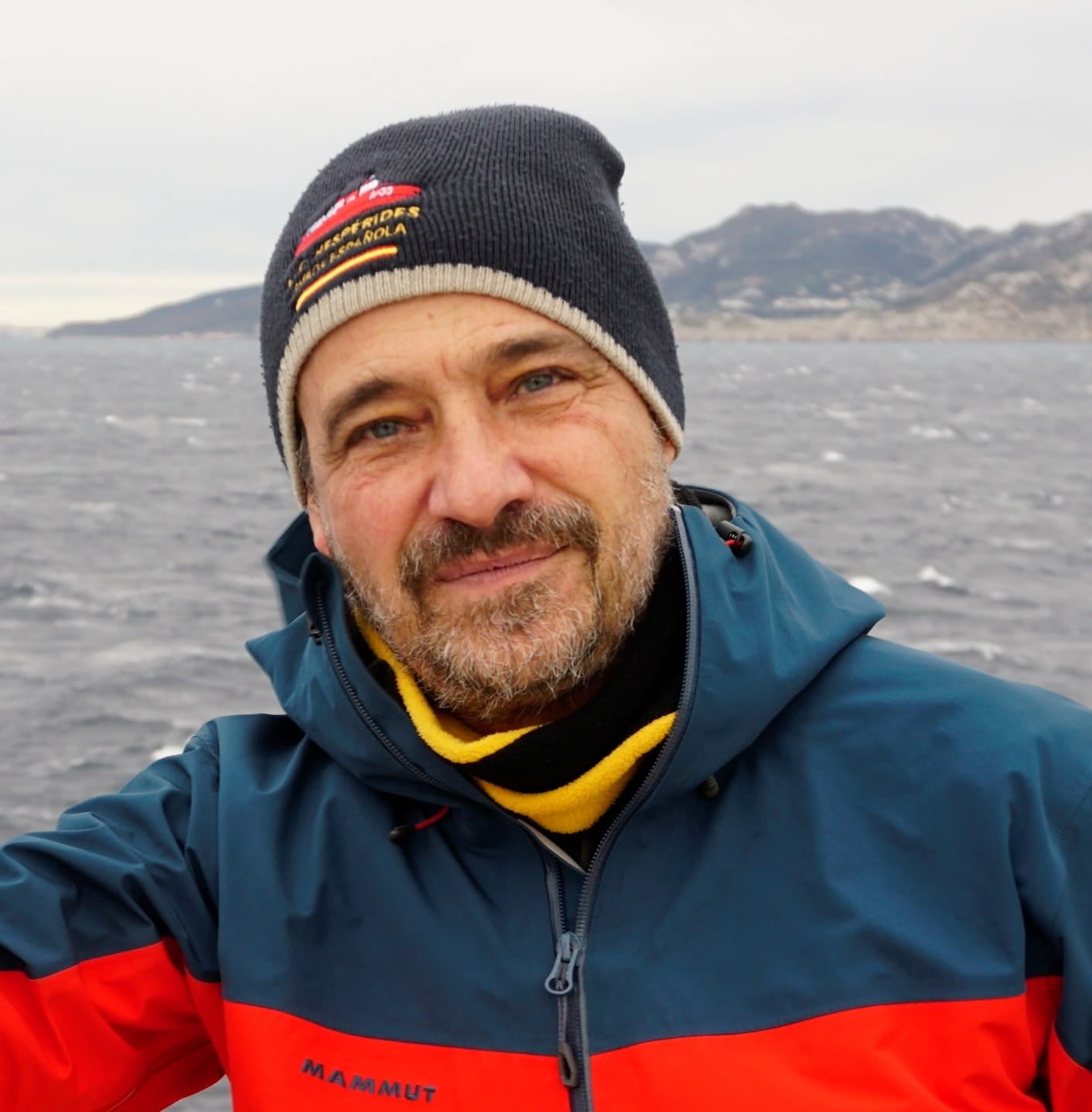
F. Javier Hernandez-Molina
Be Notified on AAPG Training Opportunities
From geotechnical workshops to field trips and more, stay in the loop on upcoming virtual and in-person events.